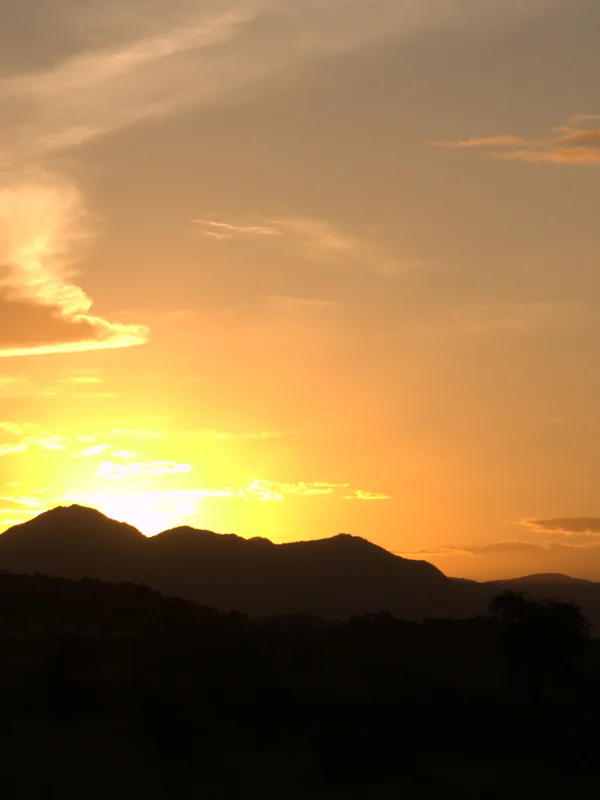
In a country famous for gorillas and chimpanzees, Kidepo Valley stands apart as something entirely different — a vast, semi-arid wilderness in Uganda's far northeast that feels more like the Serengeti than East Africa's green heart. Wide golden plains, dramatic mountain backdrops, and a sky that goes on forever. This is Africa the way very few people ever see it.
Uganda's Last True Wilderness
Kidepo Valley National Park occupies a remote corner of Uganda's Karamoja region, pressed hard against the borders of South Sudan and Sudan. It covers 1,442 square kilometres of semi-arid savannah, broad floodplains, and ancient acacia woodland — a landscape utterly unlike anything else in Uganda. While the rest of the country is defined by dense equatorial forest, volcanic highlands, and the broad lakes of the Rift Valley, Kidepo belongs to a different Africa entirely: dry, dramatic, and breathtakingly open.
The park was established in 1962 and gazetted as a national park that same year, but decades of political instability kept it off the mainstream tourist circuit. That isolation has been its salvation. Today, Kidepo receives fewer visitors than any other major Ugandan park — but those who make the journey consistently rate it among the finest wildlife experiences on the continent. African Geographic has ranked Kidepo among Africa's top-three national parks on multiple occasions.
The Narus Valley, where a permanent water source persists year-round, is the wildlife core of the park. Animals converge here during the dry season in numbers that can stop your breath — buffalo herds of 800 or more, elephant families at the waterhole at dusk, lions watching from rocky outcrops while cheetah hunt the open plains below.
Kidepo Valley at a Glance
- Location: Karamoja, Northeastern Uganda — near the South Sudan border
- Area: 1,442 km² of semi-arid savannah and acacia woodland
- Altitude: 914 – 2,750 metres (Morungole Massif)
- Established: 1962
- Wildlife: 77 mammal species, 475+ bird species
- Unique species: Cheetah, caracal, greater kudu, Besia oryx, Nubian giraffe — found nowhere else in Uganda
- Access: 90-min Aerolink flight from Entebbe, or 10–12hr drive via Gulu
- Best lodges: Apoka Safari Lodge, Kidepo Savannah Lodge, Nga'Moru Wilderness Camp
Wildlife You Will Find Nowhere Else in Uganda
Kidepo's greatest draw is a collection of species that simply do not exist in Uganda's southern parks. Come here if you want to tick truly rare animals off your list — or if you want a game drive experience with the scale and drama of East Africa's great savannahs.
Cheetah
Kidepo is the only place in Uganda where cheetah are present. The park holds a small but visible population that hunts the open grasslands of the Narus Valley. Sightings are never guaranteed, but the flat terrain means that when a cheetah is moving, you can often watch it for many minutes across the open plain — an experience unavailable anywhere else in the country.
Lions
The Kidepo lion population is one of the most studied in East Africa. Prides of 10 to 15 individuals are not uncommon, and the rocky outcrops that punctuate the valley floor give them natural vantage points that make for spectacular photography. Unlike the thick bush of Queen Elizabeth, Kidepo's open terrain means you often get clear, unobstructed views.
Nubian Giraffe
Kidepo holds a significant population of Nubian giraffe — one of the most endangered giraffe subspecies in the world, with fewer than 3,000 individuals remaining globally. Watching a breeding herd move across the golden Narus Valley at golden hour is one of the defining images of a Kidepo safari.
Greater Kudu & Besia Oryx
Both the greater kudu (with its dramatic spiral horns) and the Besia oryx are found only in Kidepo among Uganda's national parks. They thrive in the semi-arid conditions of the north that other antelopes cannot tolerate — another example of how profoundly different this ecosystem is from the rest of Uganda.
Elephant & Buffalo
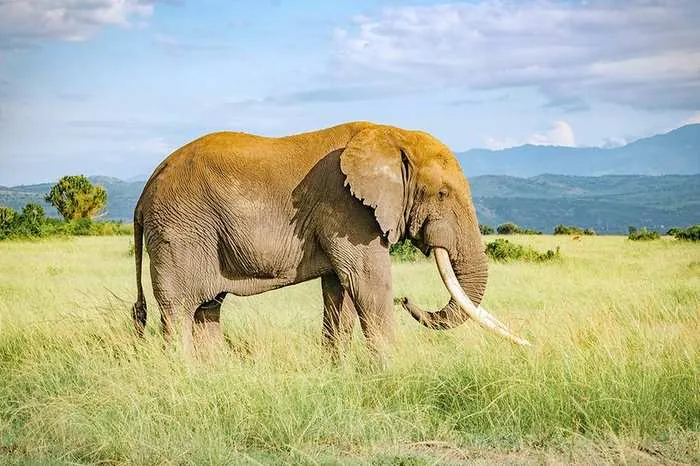
The Narus waterhole brings elephant and buffalo in extraordinary numbers during the dry season. Buffalo herds in Kidepo can exceed 1,000 individuals — among the largest concentrations in East Africa. The elephants here are notably less habituated to vehicles than those in Murchison or QENP, giving encounters a rawer, more primordial quality.
The Karamojong: Culture at the Heart of the Experience
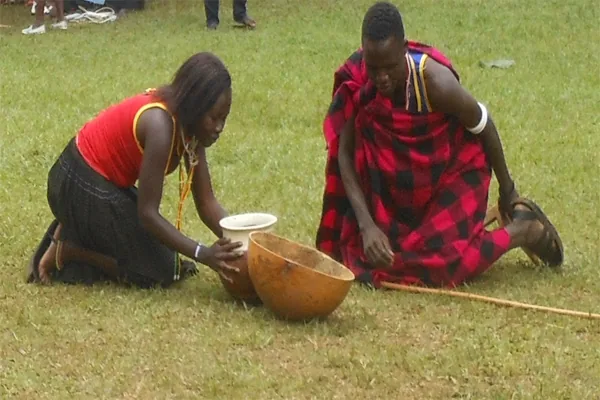
Kidepo is inseparable from the Karamojong people, one of East Africa's most distinctive pastoral communities. The Karamojong have herded cattle across this landscape for centuries, developing a culture of remarkable resilience and visual drama — warriors in beaded ornaments, women adorned in layered necklaces that indicate social status, and a deep ceremonial relationship with cattle that shapes every aspect of daily life.
A visit to a Karamojong cultural village (manyatta) is a standard part of any Kidepo itinerary and is one of the most authentic cultural experiences available in Uganda. Unlike the more rehearsed cultural performances found at some tourist-oriented villages elsewhere in the country, Karamoja interactions feel genuinely unscripted. You are visiting a living community, not a museum exhibit.
The community-based tourism revenue from these visits directly supports the Karamojong communities that border the park, creating a tangible conservation incentive that has helped reduce human-wildlife conflict in the region significantly over the past decade.
Getting There: Fly or Drive?
The choice between flying and driving defines the shape of your Kidepo experience.
Fly-in (Recommended)
Aerolink Uganda operates scheduled flights between Entebbe and Kidepo airstrip, located inside the park. The flight takes approximately 90 minutes and is the standard choice for international visitors. Flying in means you arrive fresh, ready for an afternoon game drive on the same day. The cost is typically $250–$350 USD per person one way, depending on scheduling. TRVE builds all our standard Kidepo packages around fly-in access.
Overland Drive
The overland route from Kampala via Gulu and Kitgum takes 10 to 12 hours on a mix of tarmac and unpaved roads. It is possible in a 4WD — and some travellers prefer the cross-country journey, which passes through Murchison Falls territory and the landscapes of Acholi country. However, it is demanding and we only recommend it to clients combining Kidepo with a Murchison Falls stop, who are comfortable with long drives, and who have adequate time.
| Route | Duration | Cost (per person) | Best For |
|---|---|---|---|
| Fly-in (Aerolink) | ~90 minutes | $250–350 one way | International visitors, short itineraries, comfort-focused travel |
| Overland via Gulu / Kitgum | 10–12 hours | Included in vehicle cost | Northern circuit combinations, adventurous travellers with more time |
Best Time to Visit Kidepo
Kidepo's semi-arid climate means it receives significantly less rainfall than southern Uganda — and game viewing is exceptional throughout the year. That said, the dry seasons deliver the most concentrated and dramatic wildlife encounters.
June to August (Long Dry Season) is peak season. The Narus Valley waterhole becomes the focal point of all life in the park as surface water disappears from the surrounding plains. Buffalo herds, elephant families, and predators converge in extraordinary numbers. This is the optimal time for large mammal encounters and lion sightings.
December to February (Short Dry Season) is quieter in terms of visitor numbers but equally good for wildlife. The light is sharp and golden, temperatures are warm without being excessive, and the Narus waterhole remains productive.
March to May & October to November (Wet Season) brings green landscapes and abundant birdlife. Kidepo's 475+ species include rare dry-country endemics that are at their most active during and after rains. The birding is superb and visitor numbers are at their lowest — Kidepo in the wet season feels like having Africa entirely to yourself.
Where to Stay in Kidepo
Kidepo has a small but excellent range of lodges, all located within or immediately adjacent to the park. Unlike southern parks, there is no commercial strip of mid-market hotels — everything here is deliberately remote and nature-focused.
Apoka Safari Lodge is the premium property in the park and the one TRVE most frequently recommends for international visitors. It sits on a rocky escarpment overlooking the Narus Valley with panoramic views across the plains, a private waterhole, and 10 stone cottages with private decks. The food is exceptional and the guiding staff are among the most knowledgeable in Uganda's northern parks.
Kidepo Savannah Lodge offers a mid-market alternative at a lower price point, with comfortable tented accommodation and direct access to the Narus Valley game circuit. It is a strong choice for families or travellers on a tighter budget who do not want to compromise on the Kidepo experience.
Nga'Moru Wilderness Camp is a community-owned tented camp situated just outside the park boundary, offering an intimate and authentic stay with direct benefits flowing to the local Karamojong community. It is particularly popular with repeat visitors who want a more rustic, immersive experience.
Kidepo Safari Packages
All packages include return Aerolink flights, accommodation, park fees, and a private TRVE Land Cruiser guide.
Kidepo Valley — Frequently Asked Questions
How do you get to Kidepo Valley National Park?
There are two ways to reach Kidepo. The first is a fly-in from Entebbe with Aerolink Uganda — roughly 90 minutes, landing at Kidepo airstrip inside the park. This is by far the most popular option for international visitors and eliminates a 10-hour overland drive on rough roads. The second is to drive from Kampala via Gulu and Kitgum — approximately 10 to 12 hours. Flying in and driving out (or vice versa) is a popular way to see northern Uganda's landscapes as part of a wider circuit.
What animals can you see in Kidepo Valley National Park?
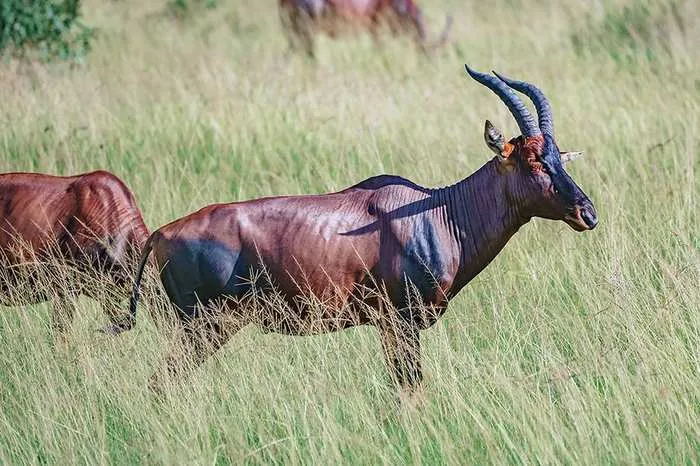
Kidepo is the only place in Uganda where you can see cheetah, caracal, greater kudu, Besia oryx, and Nubian giraffe. The park also has large populations of lions, buffalo, elephant, leopard, bat-eared fox, aardwolf, and Jackson's hartebeest. Over 475 bird species have been recorded, including the Karamoja apalis — a bird endemic to the region.
Is Kidepo Valley National Park safe to visit?
Yes. Kidepo is entirely safe for visitors. The park has welcomed tourists without security incidents for many years. The Karamoja region has undergone significant stabilisation since the early 2000s, and the UWA ranger presence inside the park is professional and well-organised.
What is the best time to visit Kidepo?
The dry seasons — June to August and December to February — offer the best game viewing, as animals concentrate around the Narus Valley waterhole. The wet season brings vivid green landscapes and excellent birding. Kidepo is far drier than southern Uganda year-round, so even the wet season is manageable.
Can I combine Kidepo with other Uganda national parks?
Absolutely. The classic northern circuit pairs Kidepo with Murchison Falls National Park. For a complete Uganda experience, combine Kidepo in the north with Bwindi gorilla trekking and Kibale chimpanzee tracking in the southwest — typically over 9 to 14 days.
Ready for Uganda's Wild North?
Tell us your dates and we'll craft a Kidepo itinerary around your schedule — fly-in, full board, private Land Cruiser, no groups.
Plan My Kidepo Safari WhatsApp Us