There’s a moment that happens to almost every traveller who spends real time in East Africa. It’s not a moment with an animal. It’s a moment with a person. A guide who grew up walking the same forest he’s now leading you through. A woman selling eshabwe by the roadside who tells you, through your guide, that her grandmother taught her the recipe. A child who runs alongside the vehicle for fifty meters, laughing, and then stops and waves until you disappear around a bend.
That’s the moment the trip changes. That’s when travel stops being about what you’re seeing and starts being about who you’re becoming.
The animals are the draw. They’re extraordinary, and we would never pretend otherwise. But the travellers who come back most changed, who return home quieter, more curious, more grateful are almost always the ones who went beyond the game drives. Here is what travel offers beyond the wildlife and why culture may be the most transformative part of any safari.
It Breaks the Comfortable Illusion That Your Way Is the Only Way
Every culture operates on assumptions so deeply embedded that they become invisible, until you encounter a culture built on entirely different ones. In Uganda, you’ll meet communities where land is communal rather than individually owned, where time is understood relationally rather than by the clock, where the dead are honoured through ongoing, living ritual rather than marked and moved past. None of these things are exotic curiosities. They are complete, sophisticated ways of organising human life.
Encountering them doesn’t require you to abandon your own framework. But it does loosen it. It creates what anthropologists call cultural humility, the recognition that your worldview is one among many, not the default against which all others are measured. Travellers who experience this rarely return home with the same certainty they left with. They return with better questions.
It Builds a More Accurate Picture of the World
Media coverage of Africa tends to flatten its complexity. Travellers who have never visited often carry a composite image assembled from news cycles, charity campaigns, and decades of narrative shorthand, a continent of crisis, scarcity, and need. That image is not entirely wrong. But it is catastrophically incomplete.
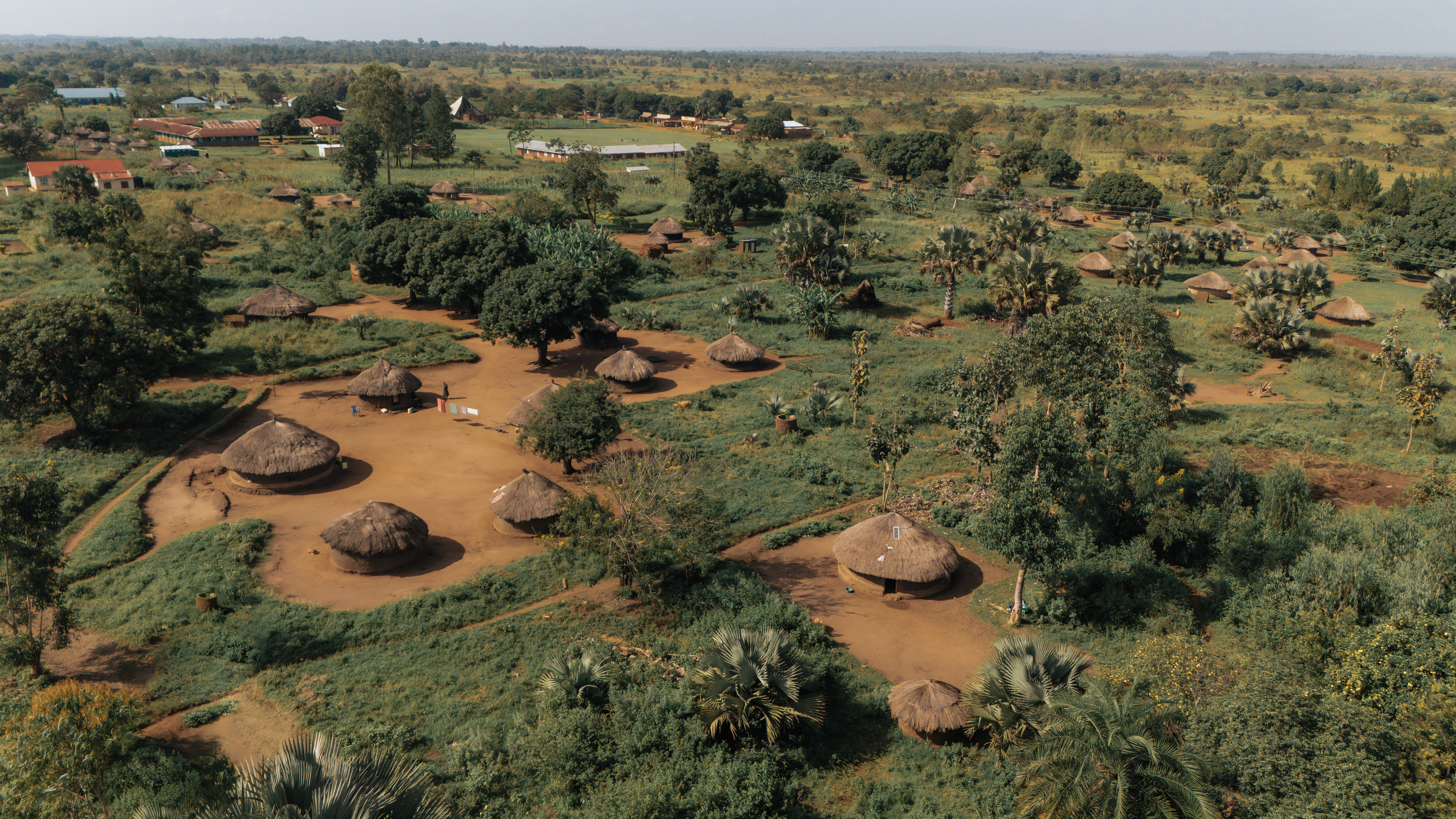
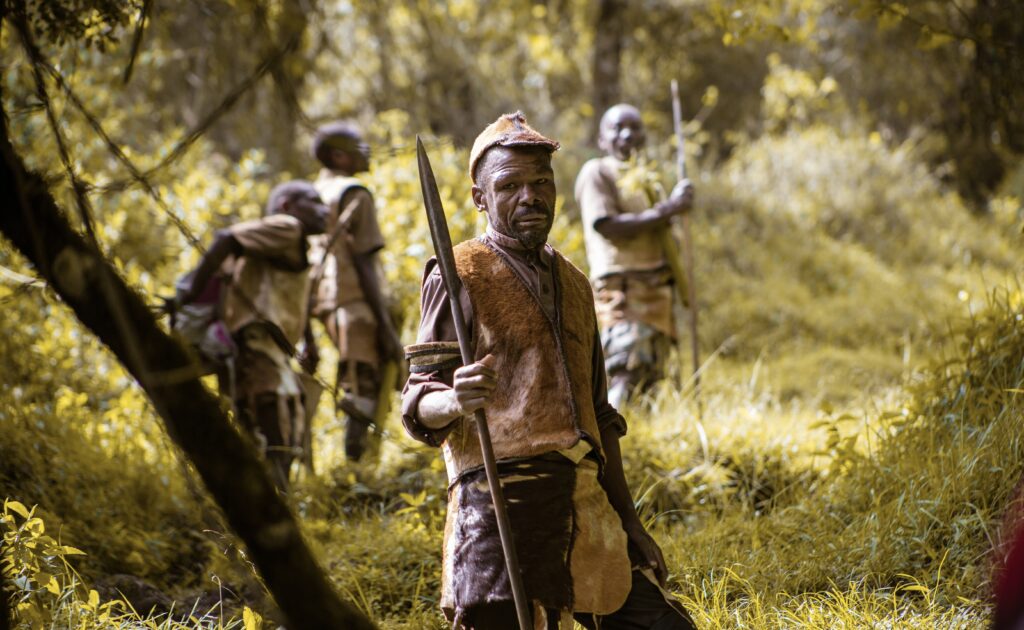
Walking through Kampala’s Nakasero market, where stalls overflow with produce and the noise of commerce fills the air, recalibrates something. Sitting in a family homestead in Kigezi, watching three generations share a meal prepared with food from their own garden, recalibrates something else. Listening to a Batwa elder describe the forest in terms of kinship rather than resource recalibrates something deeper still. Travel, when it includes real cultural engagement, is one of the most effective antidotes to the simplified narratives that govern how most people understand places they’ve never been.
It Teaches You to Listen Differently
Most of daily life operates in the register of the familiar, conversations with people who share your references, your humor, your unspoken expectations of how an exchange should unfold. Cultural travel removes that scaffolding. Suddenly you’re in a conversation where you don’t share a language, a history, or a set of social cues, and you have to pay an entirely different kind of attention.
Travellers frequently report that this heightened attentiveness, the full-body listening that cultural encounters require, carries over after they return home. They find themselves more patient in conversations, more willing to sit with ambiguity, more alert to what’s being communicated beneath the words. It is a skill travel builds not through instruction but through practice, quietly and permanently.
It Creates Empathy That Outlasts the Trip
Empathy at scale, the kind that extends across cultures, languages, and histories, is difficult to manufacture through reading or watching alone. It tends to require encounters. A face. A name. A shared meal or a walk through someone’s actual community. Once you’ve sat with a Baganda family in their home, the abstraction of ‘Uganda’ has been replaced by something specific and human, and that specificity is what empathy needs to function.
This is one of travel’s most undervalued gifts, not the photographs, not the passport stamps, but the permanent expansion of whose reality you are able to hold in your imagination. Travellers who engage seriously with the cultures they visit return with a broader circle of concern. They notice news about the places they’ve been differently. They give differently. They advocate differently. The cultural encounter, it turns out, has a much longer half-life than the safari highlight reel.
It Reveals Something Unexpected About Yourself
There is a particular kind of self-knowledge that only becomes available when your usual context is removed. At home, surrounded by the familiar, most of us are who we’ve always been in the ways we’ve always been it. Travel, especially culturally immersive travel, removes the scaffolding of the routine and reveals what remains underneath. Some travellers discover a patience they didn’t know they had. Others discover a curiosity that had been waiting for the right conditions to emerge. Others still discover a simplicity they’d been overcomplicating.
Uganda has a particularly potent way of doing this. The warmth of its people, the directness of human connection here, and the slower, more relational pace of daily life have a way of slowing travellers down internally as well as externally. Many people who come on safari leave saying they feel less anxious, more grounded, and more certain of what actually matters. The gorillas helped. The sunsets helped. But so did the week spent moving through a country that relates to time and people differently from anything they’d experienced before.
How to Go Beyond Sightseeing on Your Uganda Safari
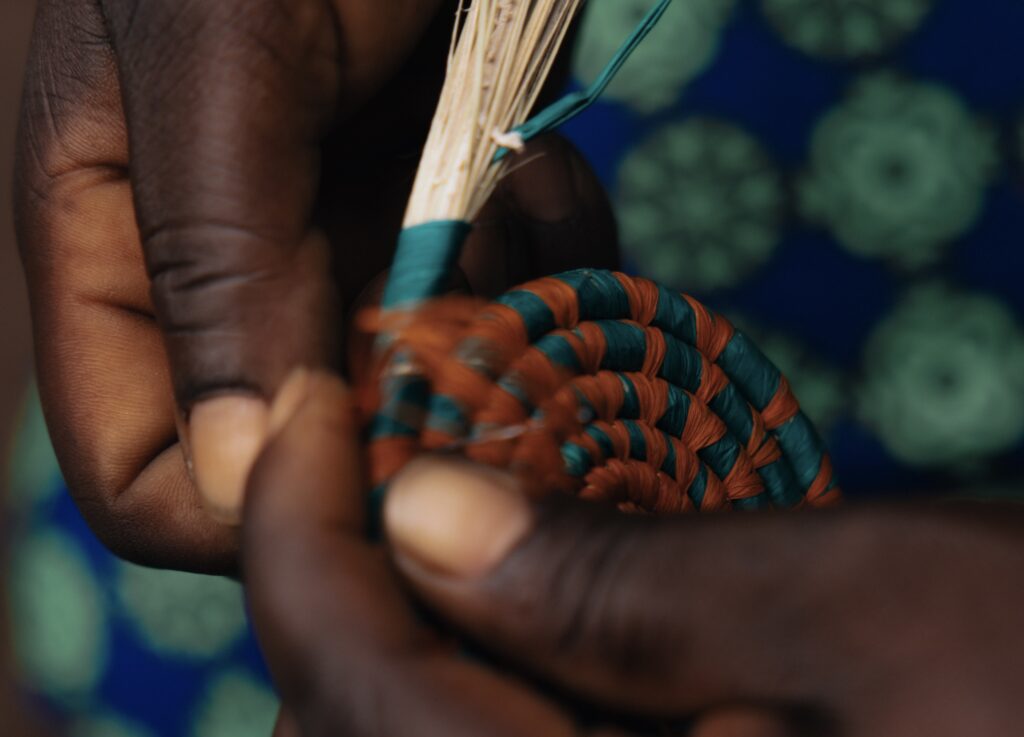
Cultural depth doesn’t happen by accident. It requires a certain intentionality, choosing experiences that include community interaction, building time into the itinerary for unscripted encounters, and approaching the trip with genuine curiosity rather than a checklist mentality.
- Ask your guide about their own life, where they grew up, what drew them to guiding, what they want visitors to understand about Uganda
- Include a community visit, Buhoma village near Bwindi, a Batwa cultural experience, or a local market walk in any of Uganda’s regional towns
- Eat local food at least once, not at the lodge buffet, but at a roadside restaurant or someone’s home if the opportunity arises
- Slow down at transition moments, a drive between parks is not dead time; it is some of the richest cultural observation a safari offers
- Leave some of the itinerary unscripted, the best cultural encounters are rarely scheduled
Travel That Changes You, Not Just Your Camera Roll
At The Rift Valley Explorer, we build itineraries that include the wildlife experiences you came for and the cultural depth you may not have known to ask for. Our guides are storytellers and community members as much as they are wildlife experts, and the connections they facilitate between travellers and Ugandan life are part of what makes our safaris different from a vehicle following a wildlife circuit.
The animals will be extraordinary. We promise you that. But the conversation you have along the way, the story you didn’t expect to hear, the meal you’ll be describing for years, the face you’ll remember long after the leopard photograph has faded in your memory, those are what travel is really for.
If culture is part of your bucket list, we’ll make it part of your journey…
Come for the wildlife. Leave changed by the people.
Leave a Reply