Uganda’s capital, Kampala, sits in the heart of an ancient kingdom and chances are, everything you see, taste and experience during your time here has been shaped by it. Welcome to Buganda, home of the Baganda people and one of the most culturally rich destinations in East Africa.
Whether you’re on a gorilla trekking safari, a city stopover or a multi-week East Africa adventure, a little Buganda know-how will make your trip infinitely richer.
A Kingdom Still Very Much Alive
Buganda isn’t ancient history, it’s the present. The kingdom dates back to the 14th century and today remains one of Africa’s most intact traditional monarchies. Its king, the Kabaka, is a living symbol of Baganda identity, currently Ronald Muwenda Mutebi II, who has reigned since 1993.
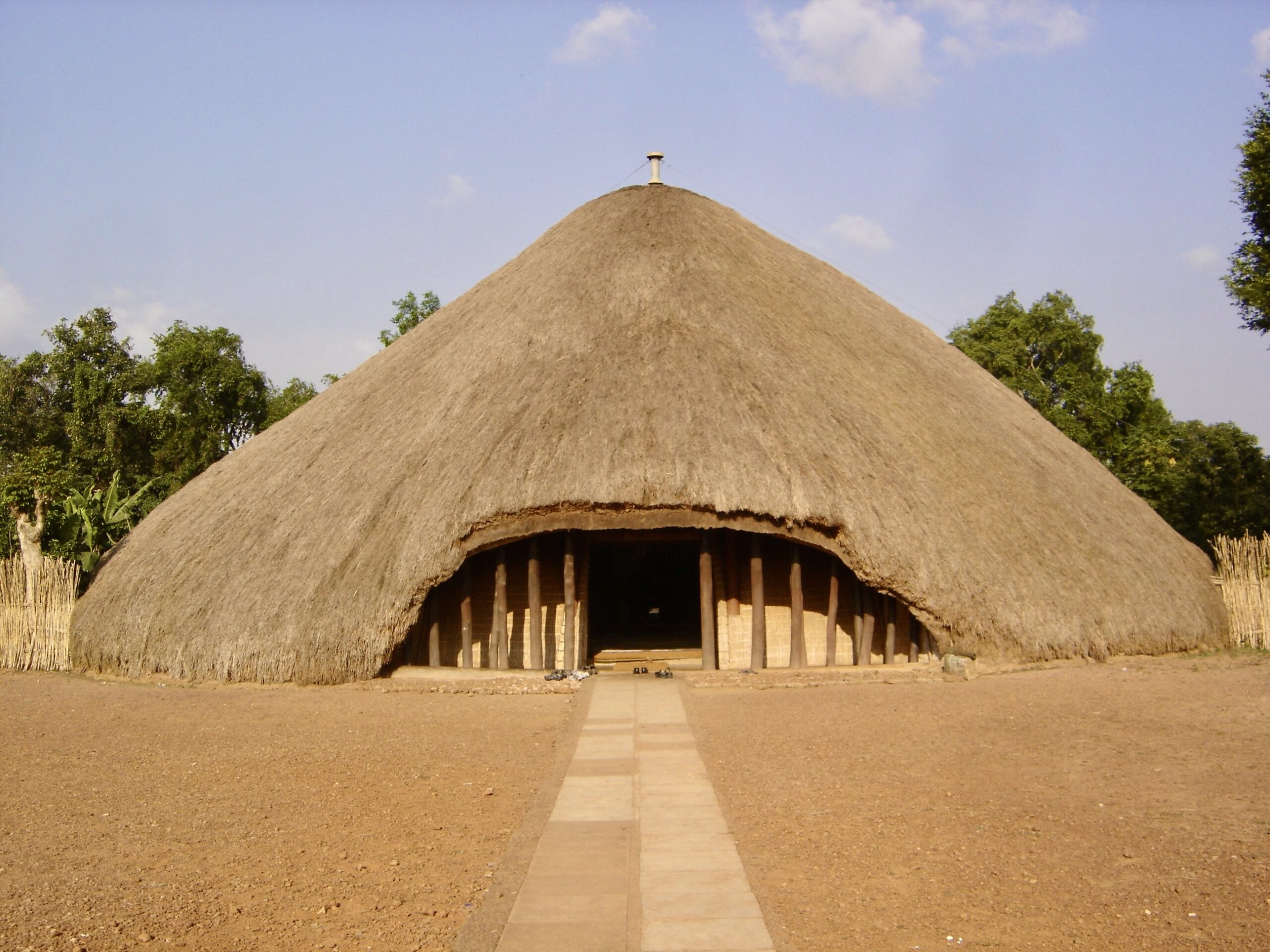
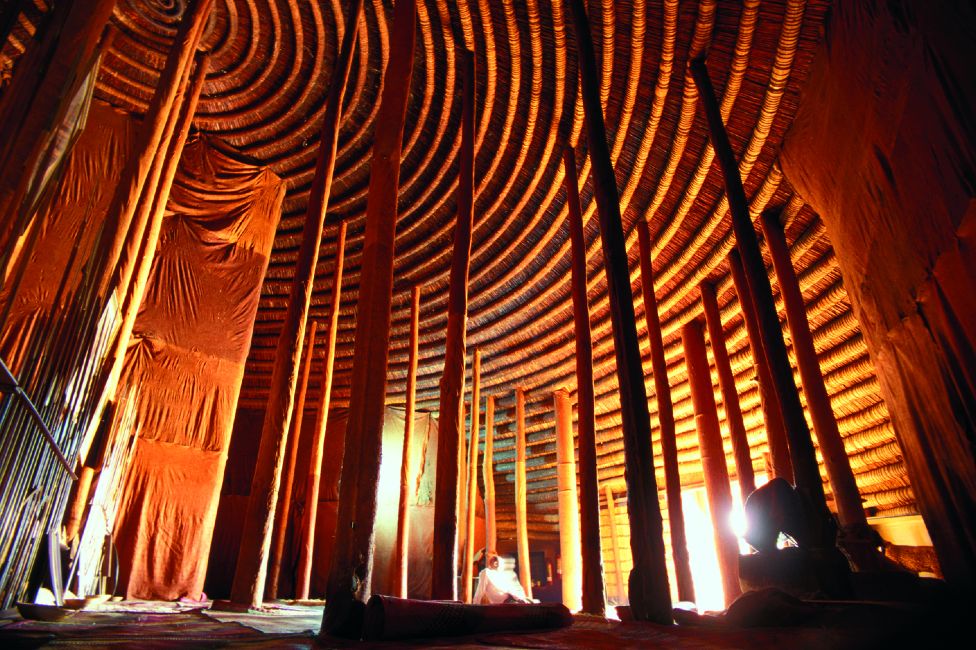
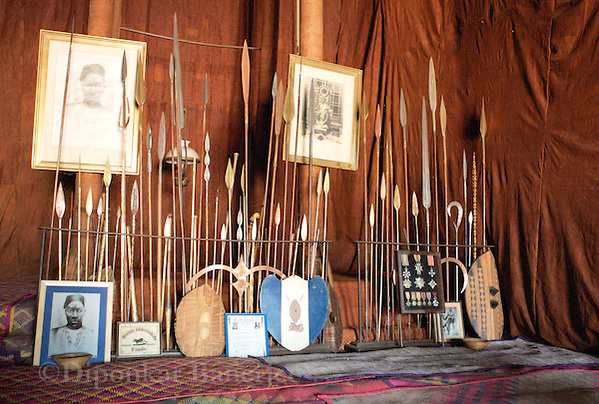
His palace sits on Mengo Hill in Kampala, one of the city’s famous seven hills, and is open to visitors. Just down the road, the Kasubi Tombs hold the remains of four former Kabakas and remain an active royal burial ground and spiritual site. It’s also a UNESCO World Heritage Site, and visiting it is one of the most genuinely moving cultural experiences Uganda has to offer.
Visitor tip: Dress modestly, speak softly and take your cues from your guide. This is not a tourist attraction in the typical sense, it is a sacred space.
Must-Visit Cultural Sites in Kampala
If you have even one day in Kampala, these are worth your time:
Kasubi Tombs – Royal burial site, UNESCO-listed, spiritually significant.
Mengo Palace (Lubiri) – Seat of the Kabaka, with a fascinating history and guided tours available.
Uganda Museum – Excellent collection of Buganda cultural artefacts, traditional instruments and historical exhibits. (Currently under renovation)
Namugongo Martyrs Shrine – A major pilgrimage site marking an important chapter in Buganda’s history.
The Clan System: A Fascinating Way of Organising Society
One of the most interesting things to learn about Buganda is its clan system. Every Muganda belongs to one of 52 clans (ebika), inherited from their father, each tracing a lineage to a common ancestor and identified by a primary totem (Omuziro) and a secondary totem (Akabbiro). This is usually an animal or object the clan considers sacred and will not eat or harm by clan members.
It shapes everything: marriage (you cannot marry within your clan), social roles, and family relationships across the entire kingdom. You’ll often find that people introduce themselves by clan affiliation, it’s their way of placing themselves within a community that stretches back centuries.
Luganda Basics: A Few Phrases That Go a Long Way
Luganda is the most widely spoken local language in Uganda, and locals genuinely light up when visitors make the effort. Try these:
Oli otya? – How are you?
Bulungi – I’m fine / Good
Webale nyo – Thank you very much
Ssebo / Nnyabo – Sir / Madam
Kale – Okay / Alright (you’ll hear this everywhere)
Etiquette Tips for Visitors
Buganda has a warm, welcoming culture but a few customs are worth knowing before you arrive:
- Greetings are important – don’t rush them. A proper greeting asks after health and family, and takes a moment. It’s not small talk, it’s respect.
- Remove your shoes before entering a home or traditional building – use two hands (or your right hand supported at the wrist) when giving or receiving something from an elder.
- Kneel when greeting elders – women kneel fully, men on one knee. You’ll see this everywhere and it’s a beautiful gesture to understand.
- Avoid pointing with a single finger – use an open hand instead.
What to Eat: Buganda on a Plate
Food in Buganda is generous, flavourful, and tied deeply to hospitality. Here’s what to look out for:
Matooke – Steamed green bananas, the Ganda staple. Soft, filling, and utterly delicious with a good stew
Luwombo – Meat or chicken steamed in banana leaves; a dish with royal origins and a taste to match
Groundnut stew (ebinyebwa) – Rich, slow-cooked peanut sauce that pairs with everything
Rolex – Kampala’s legendary street food: a chapati rolled with egg and vegetables. Get one from a roadside vendor. Trust us.
Nsenene – Seasonal fried grasshoppers. A Buganda delicacy and a genuinely great story to bring home
If you’re invited to eat in someone’s home, accept. Refusing is considered rude, and accepting is one of the warmest ways you can connect with your hosts.
Drums, Dance, and Living Tradition
Music and dance are central to Buganda life, not as performance, but as a living cultural language. The royal drums (mujaguzo) are sacred objects played exclusively for the Kabaka. When you hear them, you’re hearing centuries of ceremony.
The Bakisimba dance, characterised by expressive hip and footwork, performed to live drumming, is one of Uganda’s most iconic cultural traditions, and UNESCO-recognised. Look out for performances at cultural centres in Kampala, or ask your guide if any local celebrations are happening during your visit. Stumbling into a real one beats any staged show.
Experience Uganda’s Culture with The Rift Valley Explorer
At The Rift Valley Explorer, our safaris are handcrafted to take you beyond the highlights and into the heart of East Africa. We’re Kampala-based, Uganda-born, and deeply proud of the culture we get to share with our guests every day.
Start planning your Uganda journey today!
Leave a Reply