There is a Portuguese word — saudade — that describes an aching, almost melancholic longing for something beautiful. And then there is wanderlust: the deep, restless pull of the unknown, the irresistible desire to go somewhere that will change you. Uganda does both. It creates wanderlust before you arrive, and saudade the moment you leave.
Winston Churchill called it the Pearl of Africa. That phrase, coined over a century ago, has never stopped being true. The Pearl of Africa Tourism Expo (POATE), Uganda’s annual tourism showcase, marked a landmark milestone in 2026 with its 10th edition. A full decade of gathering the travel industry, local operators, and global visitors to celebrate a country that deserves to be the first name on every serious traveller’s bucket list. And the theme chosen for this 10th edition? Wanderlust. It could not have been more perfectly chosen.
So what exactly makes Uganda a wanderlust destination? Here is five reasons why:
The People of Uganda: Warmth You Can’t Manufacture
Travel the world long enough and you’ll notice that the thing you remember most is rarely a landscape or a wildlife sighting. It’s a face. A conversation. A moment of genuine human connection. In Uganda, those moments happen constantly.
Uganda is home to over 50 tribes: Baganda, Banyankole, Basoga, Acholi, Langi, Karamojong and dozens more, each with its own language, customs, music and cuisine. This is not a country with a single culture. It’s a country with 50+ of them, layered over one another and coexisting with a warmth that strikes almost every visitor as one of the most distinctive things about Uganda.
The Ugandan greeting is unhurried. When people ask how you are here, they want to know. The hospitality is genuine, the smiles are real, and the willingness to share food, stories, time, is built into the national character. Travellers who come for the gorillas and the waterfalls often leave saying it was the people who changed them most.
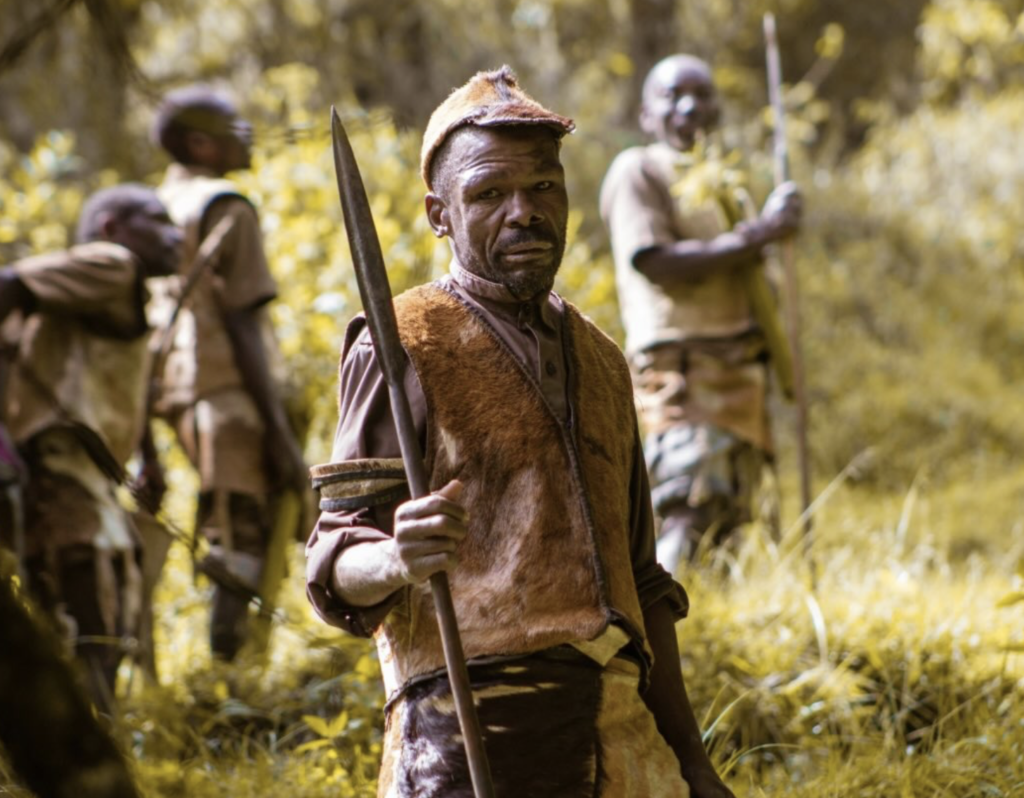
TRVE Tip: Don’t miss a community walk in Buhoma village near Bwindi, a visit to a Batwa cultural experience, or an afternoon in Kisoro market
The Rift Valley Explorer tip
The Batwa people are one of Central Africa’s oldest indigenous communities, traditionally living as hunter-gatherers in the forests of southwestern Uganda.
Before you fall in love with Uganda’s landscapes, you’ll probably fall in love with the food. The country’s cuisine is deeply tied to its land and its people, rooted in tradition, generous in portion and full of flavor that no restaurant abroad has yet managed to replicate.
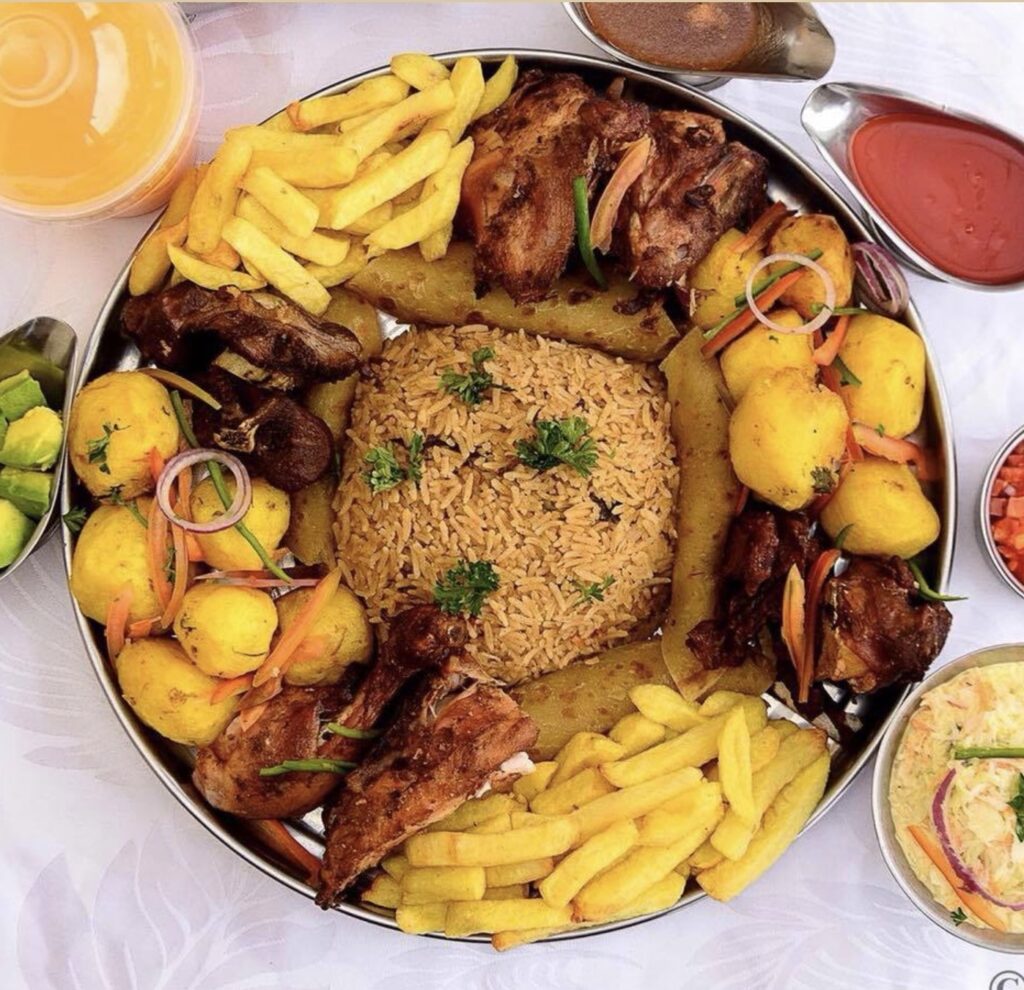
Start your culinary journey with a rolex, Uganda’s iconic street food of eggs and vegetables rolled in a freshly made chapati, handed to you from a roadside grill in a paper bag. Graduate to matoke, steamed green bananas mashed and served with groundnut stew. Then find luwombo, slow-cooked meat or mushrooms sealed in banana leaves and steamed, until the flavours have nowhere left to go but deep into the dish.
Western Uganda brings eshabwe, a silky Ankole ghee sauce so smooth and rich it feels like a luxury ingredient. Roadside grills across the country offer muchomo — charred goat or chicken on a skewer, served with roasted plantains. And for the adventurous, nsenene season brings roasted grasshoppers that are crunchier, nuttier, and far more delicious than you expect.
Uganda feeds you well. Not in a fine-dining, overthought kind of way. In the way that only food made by people who care deeply about their ingredients and their guests can taste.
A food platter featuring popular dishes commonly eaten in Uganda
Water Everywhere: Uganda’s Extraordinary Aquatic World
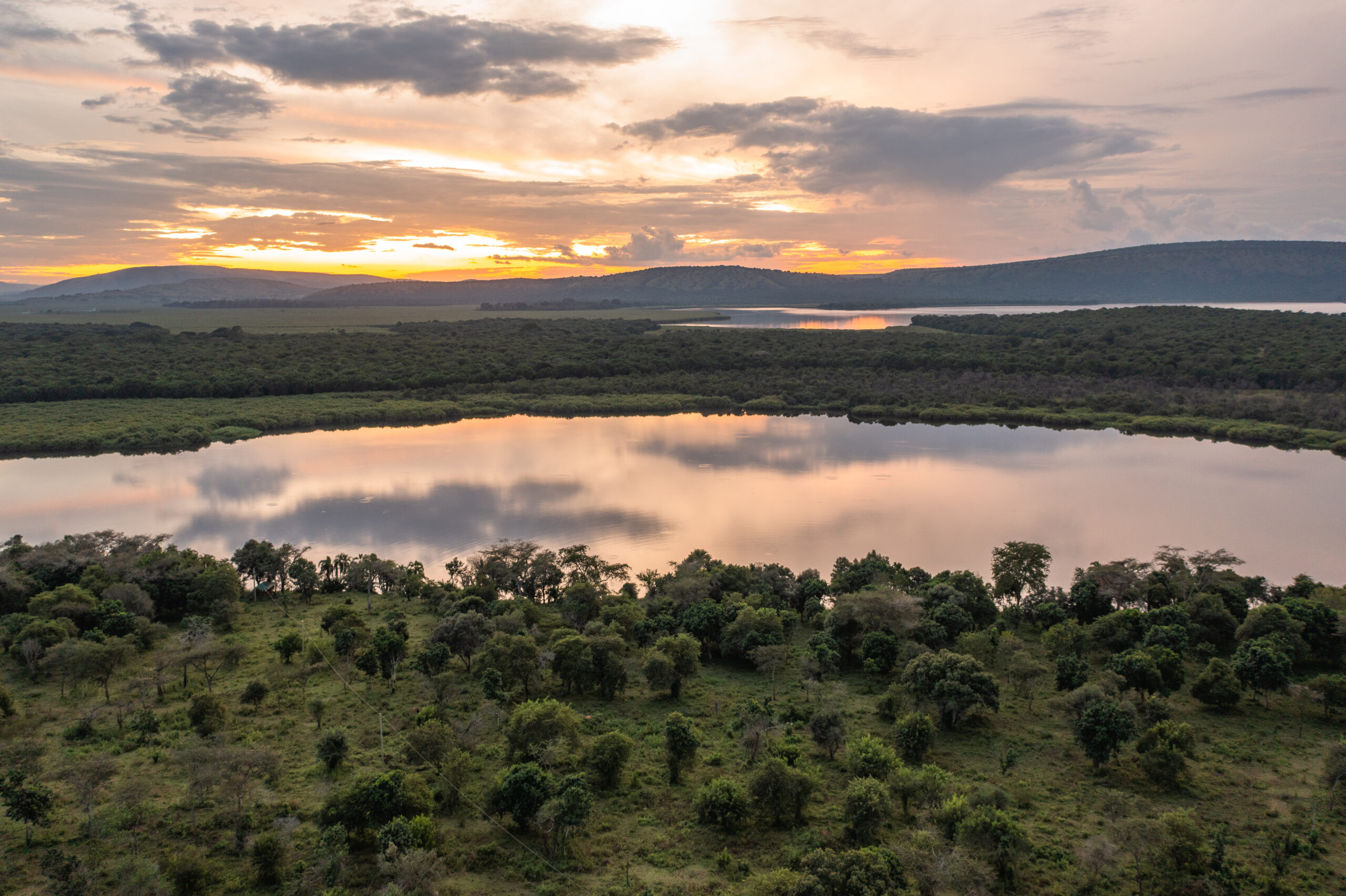
Uganda is landlocked. And yet water defines it. The country sits at the heart of Africa’s Great Lakes region, one of the most extraordinary concentrations of freshwater on the planet.
Lake Victoria, the largest lake in Africa and the second-largest freshwater lake in the world, forms Uganda’s southern border. Its shores are dotted with fishing communities, white-sand beaches, and the town of Entebbe, where most international visitors first set foot on Ugandan soil. Boat cruises on Victoria reveal a lakeside world that most fly-in tourists never see.
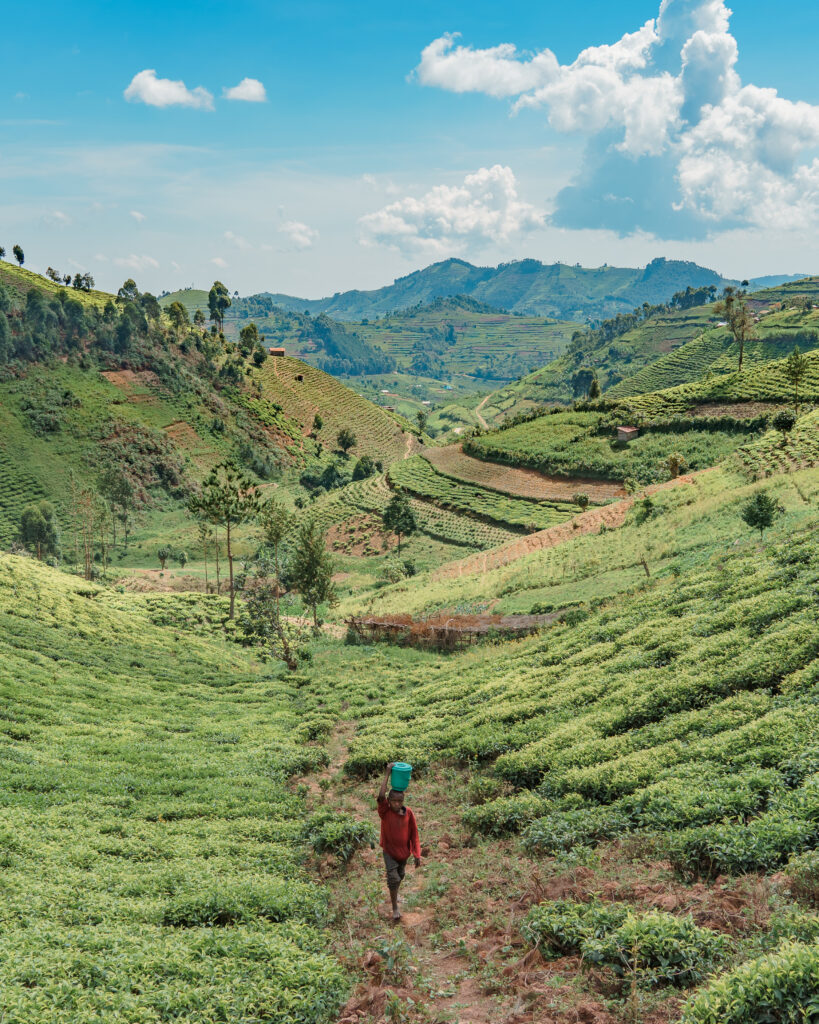
Then there is Lake Bunyonyi — arguably the most beautiful lake in East Africa and second deepest lake in Africa. Nestled in terraced hills in southwestern Uganda at over 1,900 metres above sea level, Bunyonyi is dotted with 29 islands and ringed by the kind of green that doesn’t look real. Dugout canoes, birdsong, and absolute stillness. It is the antidote to every crowded, overhyped destination you have ever visited.
And then there is the Nile. The world’s longest river begins here — at Jinja, where Lake Victoria pours north as the Victoria Nile. From there it travels through Murchison Falls, where the entire force of the river squeezes through a seven-metre gap in the rock with a roar you can hear kilometres away. The Nile is not just a geographical feature in Uganda. It is a living, thundering presence that shapes everything around it.
Great Lakes in Uganda: Lake Victoria, Lake Albert, Lake Edward, Lake George, Lake Bunyonyi, Lake Mburo
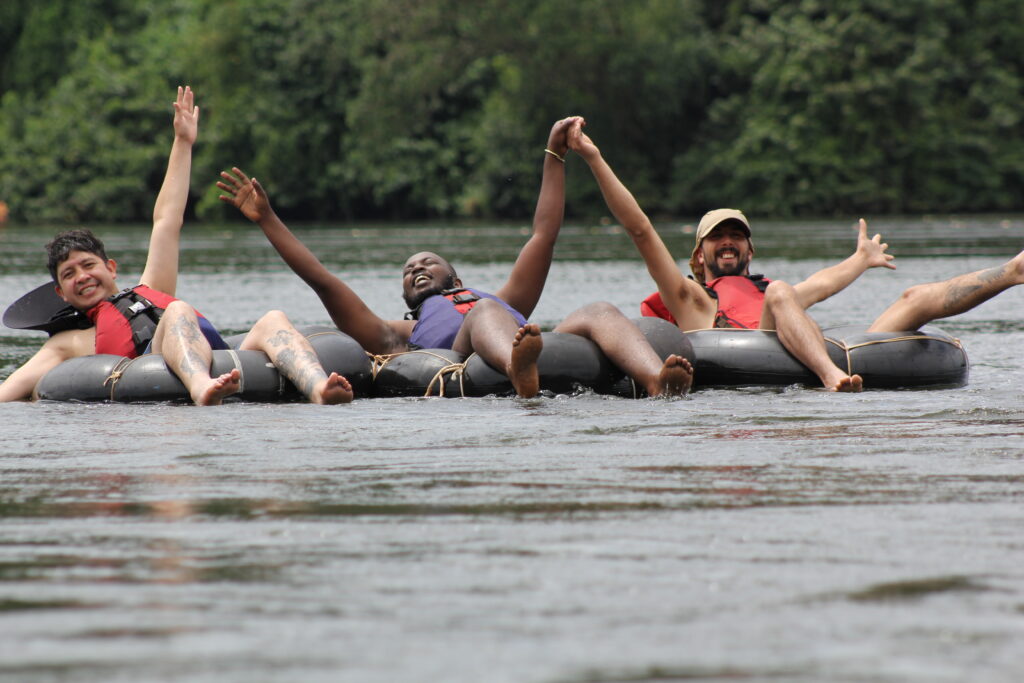
Tubing on The River Nile
Must-do: white-water rafting at the Source of the Nile in Jinja, boat cruise on the Nile at Murchison Falls, sunset on Lake Bunyonyi
The Rift Valley Explorer tip
The Rwenzori Mountains: Uganda’s Rooftops
Uganda is not often described as a mountain destination. Which is exactly why its mountains are so extraordinary.
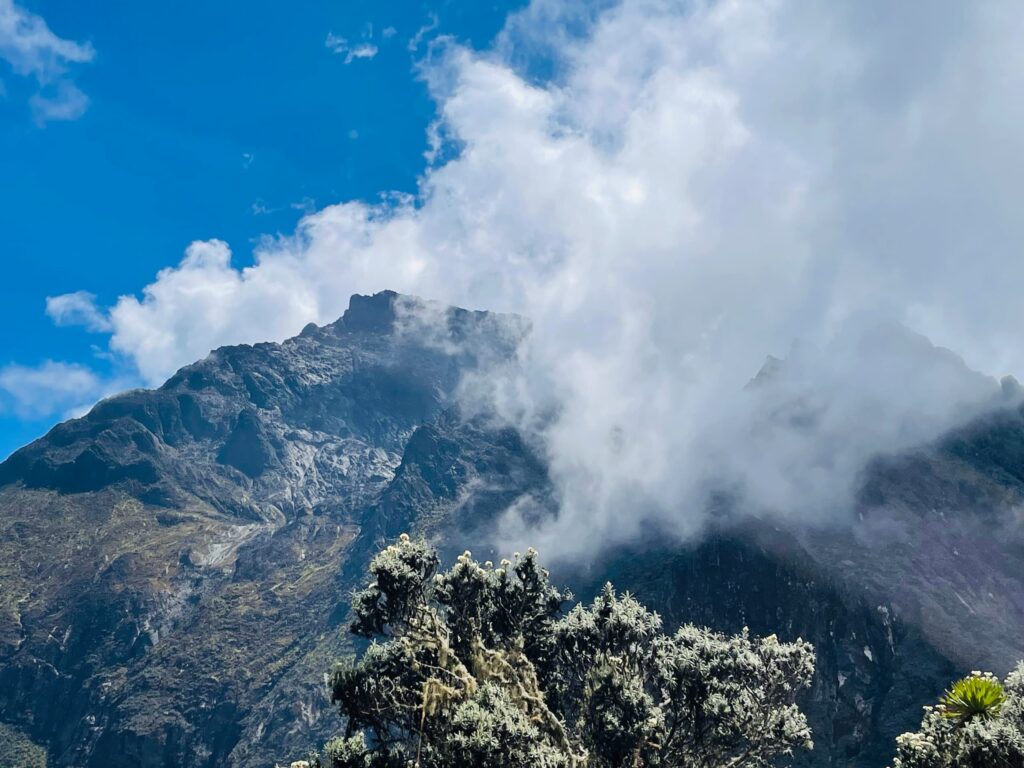
The Rwenzori Mountains, the fabled Mountains of the Moon, named by the ancient Greek geographer Ptolemy who heard legends of snow-capped peaks at the equator, rise to 5,109 metres at Margherita Peak, the third-highest point in Africa. They are not a single dramatic cone but a range of jagged, glacier-draped massifs draped in Afro-alpine moorland, giant heather, and otherworldly groundsel trees. Trekking the Rwenzoris is one of Africa’s most challenging and most rewarding mountain experiences and almost no one outside serious adventure travellers knows it exists.
The Rwenzori Ranges
Then there is Mount Elgon, Uganda’s low-key giant. Straddling the Uganda-Kenya border, Elgon is an extinct volcano with the world’s largest volcanic base and a caldera wide enough to feel like a world unto itself. Elgon’s caves, carved by elephants seeking salt, are one of Africa’s strangest and most spectacular natural phenomena. It is a mountain that rewards the curious, the quiet, and the travellers who prefer wonder without the crowds.
Rwenzori is for serious trekkers; multi-day routes through genuinely untouched alpine wilderness while Mountain Elgon is more accessible, excellent birding, famous for its elephant caves at Kitum
The Rift Valley Explorer tip
Ugandan Nightlife: Kampala After Dark
Safari travellers sometimes forget that Uganda has one of the most vibrant nightlife scenes in East Africa. Kampala, Uganda’s sprawling, hilly capital, comes alive after dark in ways that catch first-time visitors completely off guard.
The music scene is extraordinary, Afrobeats, dancehall, hip-hop and homegrown Ugandan genres like kadodi and Acholi traditional music all find space in the city’s bars and venues. Kololo, Bandali Rise and the Acacia strip are the neighbourhoods to explore, with rooftop bars, live music spots and clubs that don’t hit their stride until sunlight. The Nyege Nyege festival — East Africa’s biggest electronic music gathering, held annually in Jinja, draws acts and partygoers from across the globe and has put Uganda’s music scene firmly on the international map.
And it’s not just about clubs. Kampala’s nightlife includes rooftop dinner spots with views across the city’s seven hills, craft breweries pouring excellent local beers, and the kind of impromptu social energy that only cities with genuinely joyful populations can produce. When Diplo ‘accidentally’ landed in Uganda from Coachella in 2026 and ended up playing a secret set in Kampala before sunrise, it surprised nobody who knows the city.
Where to go: Acacia strip, Bandali Rise, Naguru — add a Kampala City Tour to your itinerary.
Annual highlight: This year the Nyege-Nyege festival will be in Kangulumira from 19th to 22nd November.
Uganda Is the Wanderlust Destination the World Is Still Discovering
The people. The food. The water. The mountains. The nightlife. And we haven’t even mentioned the gorillas, the chimpanzees, the shoebill storks, or the tree-climbing lions of Queen Elizabeth National Park.
Uganda is not one destination. It is twenty destinations stacked on top of each other, all of them extraordinary, none of them overrun.
POATE, the Pearl of Africa Tourism Expo, chose Wanderlust as the theme of its landmark 10th edition in 2026 for a reason. Uganda doesn’t just inspire travel. It inspires the kind of restless, aching, life-rearranging desire to return that only the best places in the world can produce. The world is slowly, surely, beginning to wake up to it.
Come before everyone else does. Come while it’s still a secret. Come while the trails are quiet and the parks are yours and the rolex vendor on the corner has never heard of a queue.
Explore Uganda with The Rift Valley Explorer
Ready to meet the Uganda everyone talks about? Think unforgettable people, incredible food, wild landscapes, and nightlife that refuses to end early. Our handcrafted safaris bring you straight into the heart of it all.
Some pearls are worn. This one is explored. Welcome to Uganda.

Leave a Reply