So you’ve decided to do it. The safari. The one you’ve been saying you’ll book ‘someday’ for longer than you care to admit. East Africa is calling… and this time, you’re actually going.
Here is the honest truth: your first safari will probably be the best trip of your life. But it will throw questions at you that you hadn’t thought to ask. Where exactly should I go? When is the right time? What do I pack? How am I supposed to behave around wild animals?
This guide answers all of it, five things every first-timer needs to know before they land in East Africa.
1. What Makes East Africa Special
Every continent has wildlife. But East Africa has something that nowhere else on earth can replicate: the full, unfiltered, living world operating exactly as it has for millions of years. No fences. No feeding schedules. No choreography. Just the real thing, at scale, in a landscape so vast and so alive that it rewires something in you the moment you step into it.
East Africa, spanning Uganda, Kenya, Tanzania, Rwanda and beyond, sits on the Great Rift Valley, one of the most geologically dramatic and biologically rich regions on the planet. It is the cradle of humankind, the home of the Great Migration, the last stronghold of the mountain gorilla, and the territory of more bird species than Europe and North America combined. The landscape shifts from snow-capped equatorial peaks to open savannah, from dense equatorial rainforest to the shores of the world’s largest tropical lake. All within the same region. Often within the same itinerary.
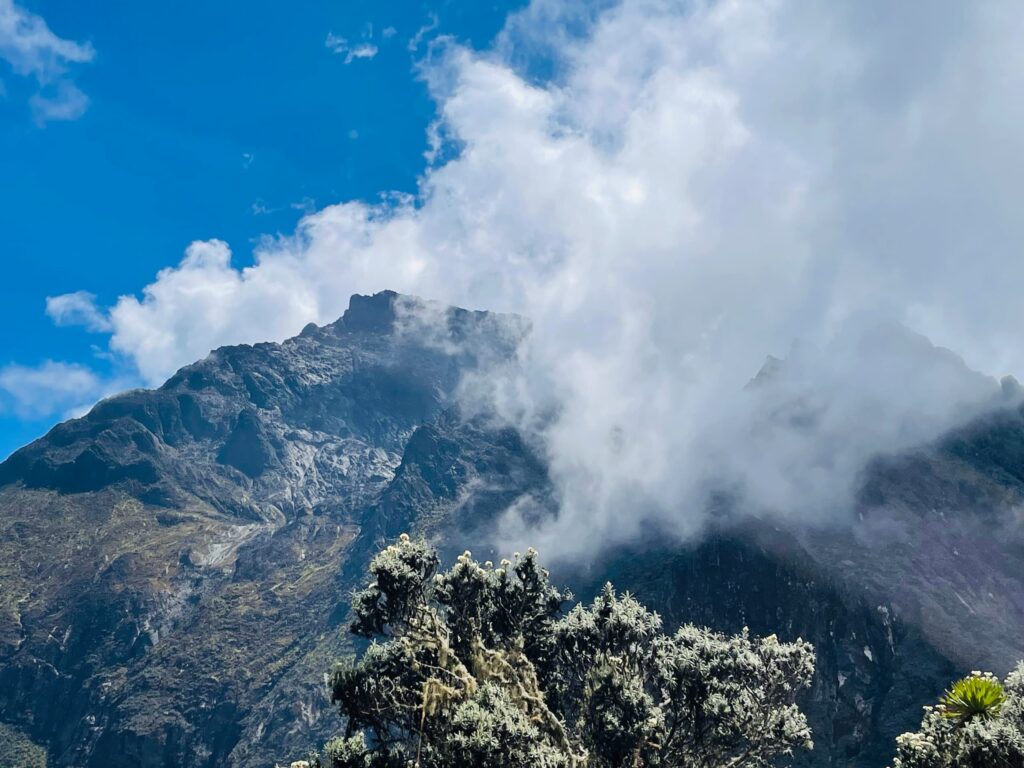
Uganda’s Mountains of the Moon
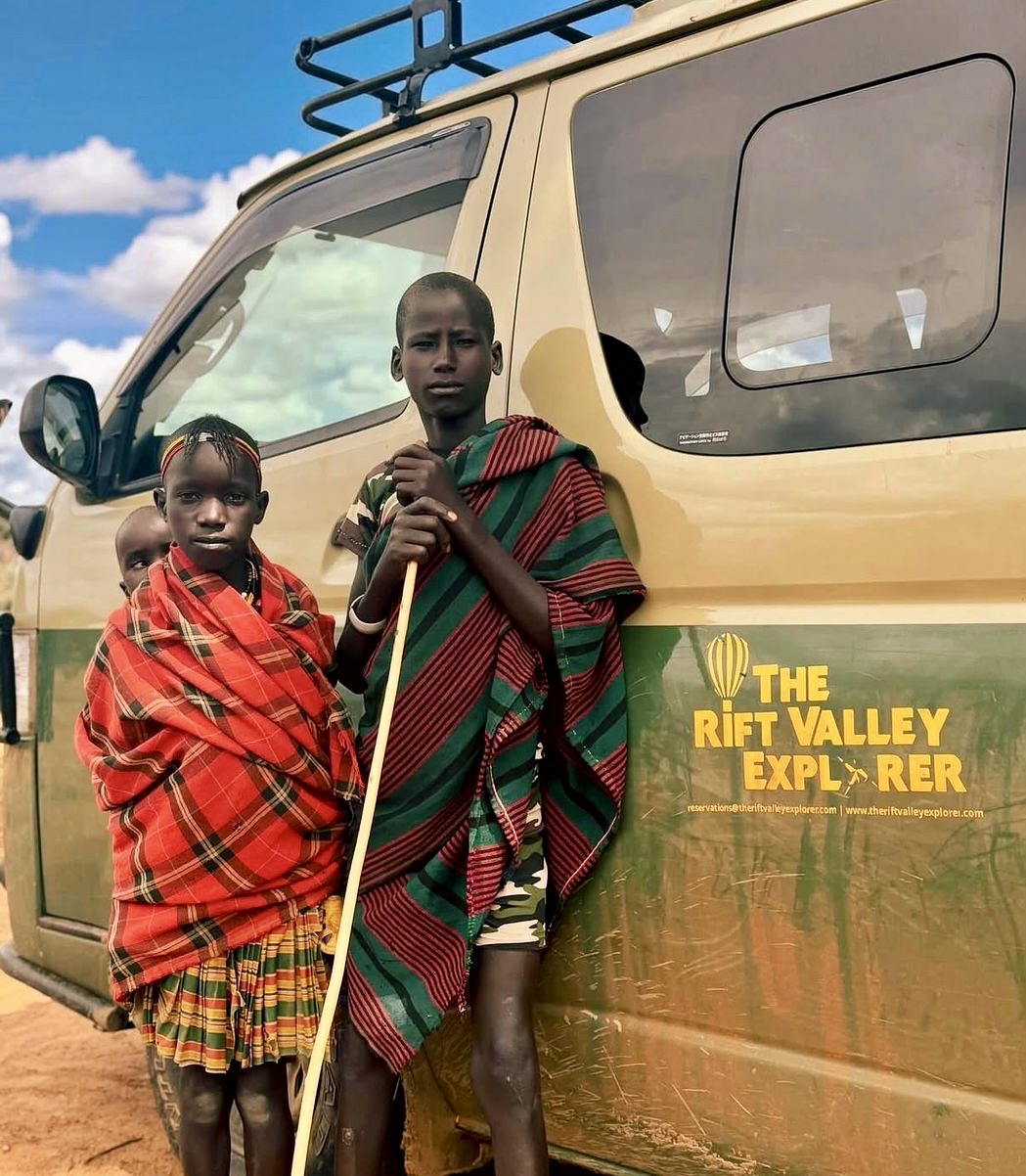
What also makes East Africa special is its people. Over 300 distinct ethnic groups, each with their own languages, traditions, music and food. The Maasai of Kenya and Tanzania. The Baganda of Uganda. The Batwa of the forest margins. Travel here is not just wildlife, it is one of the deepest cultural immersions available to any traveller on earth.
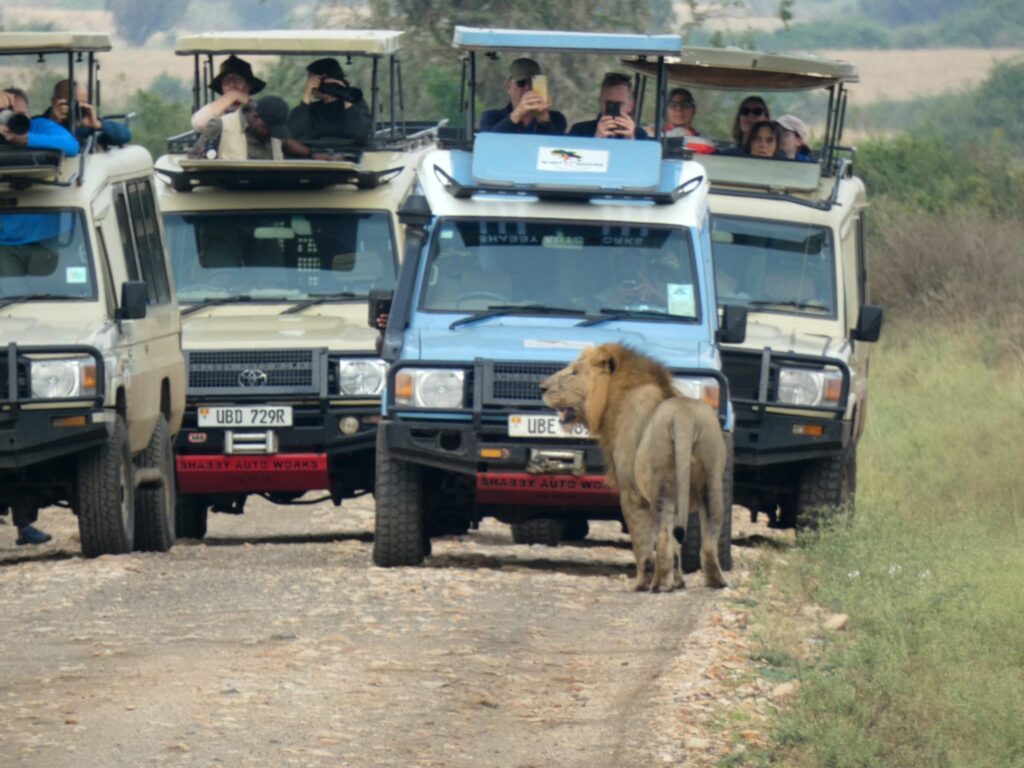
And then there is the feeling. Every person who has done a first safari in East Africa will tell you the same thing: they were not prepared for how it would affect them. The silence of the bush at dawn. A lion crossing the road at dusk. The eyes of a mountain gorilla looking back at you from three metres away. East Africa does not just give you photographs. It gives you a different relationship with the natural world, and with yourself.
East Africa sits on the equator and runs on two dry seasons and two rainy seasons rather than the summer-winter cycles of the northern hemisphere. The good news for first-timers: there is no truly bad time to visit. Every season offers something remarkable. But knowing the difference helps you plan smarter.
June to September: The Long Dry Season
This is peak season across East Africa and for good reason. Dry roads, thinning vegetation, and animals clustering around water sources make game viewing exceptional. In Uganda, gorilla trails in Bwindi are at their most accessible. In Kenya, this window overlaps with the Great Migration river crossings in the Masai Mara. Prices are highest and gorilla permits sell out fastest, book several months in advance.
Near-identical conditions to peak season, with 10 to 20 percent lower lodge prices and far easier permit availability. Safari professionals call this the real sweet spot, excellent game viewing, clear skies, accessible trails, and a quieter, more intimate experience in the parks.
March to May and October to November: The Green Seasons
The rainy seasons transform the landscape into something primordially alive. Waterfalls run at full power, forests turn impossibly lush, and birds enter full breeding mode, April and May are among Africa’s finest birding months. Prices are lowest, parks are quietest and photographers come specifically for the dramatic skies and vivid colours. Afternoon rains are common but short. Mornings are almost always clear and golden.
Best for game viewing: June–September, December–February Best for birding: April, May, October Best value: March–May, October–November
The Rift Valley Explorer Tip
3. The Best East African Countries for Specific Safaris
East Africa’s three flagship safari destinations each have a different identity. The right country depends on what you want most.
Uganda: For Primates, Birding, and Beyond
Uganda is the world’s best destination for primate safaris. It is the only country where you can trek mountain gorillas, track chimpanzees and see the Big Five on a savannah within a single itinerary. With over 1,090 bird species, more than the whole of North America, it is also the continent’s top birding destination. Add Murchison Falls, Lake Bunyonyi, the Source of the Nile and a richness of culture that most visitors are completely unprepared for. Uganda is for travellers who want depth.
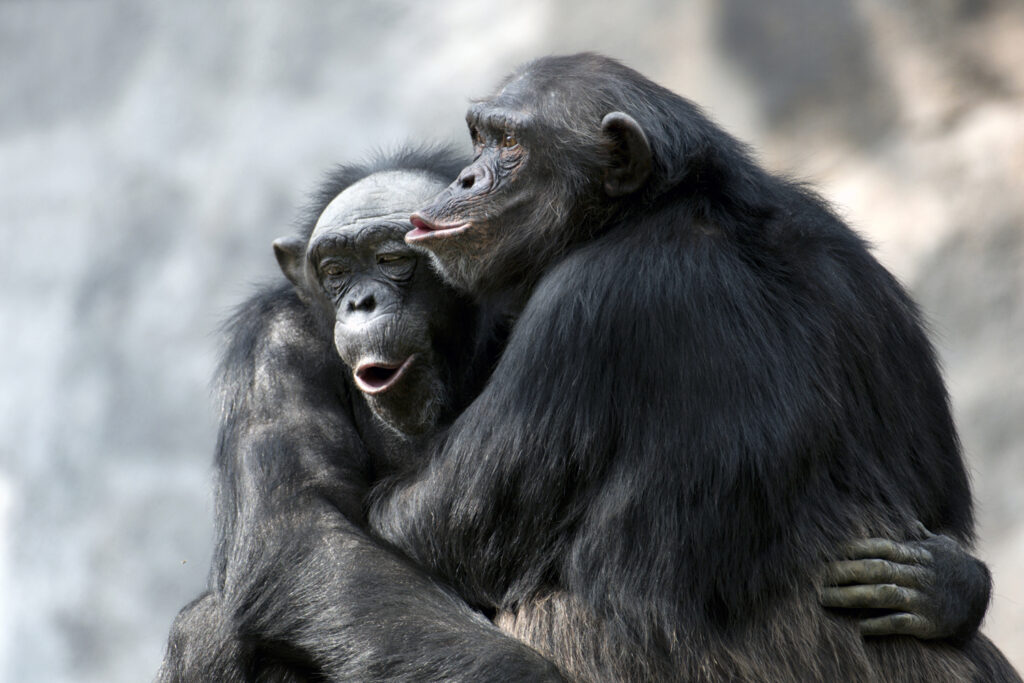
Chimpanzees in Uganda are mostly found in Kibale Forest
Kenya: For the Classic Game Drive and the Great Migration
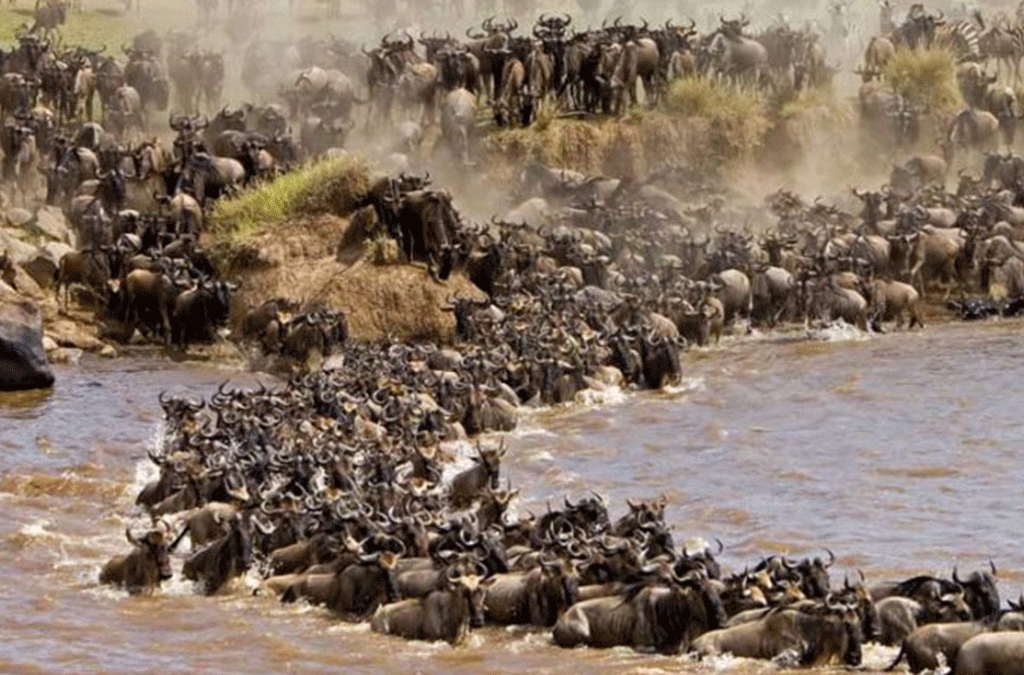
Kenya is where the modern safari was born. The Masai Mara is one of the greatest wildlife destinations on earth, and the Great Migration, over two million wildebeest, zebra and gazelle crossing the Mara River between July and October, is one of the most spectacular natural events anywhere in the world. Kenya is ideal for first-timers who want the classic East African safari experience with well-developed infrastructure and extraordinary cultural access to the Maasai people.
The Great Migration in Masai Mara starts in July-August
Tanzania For Wilderness and the Big Five
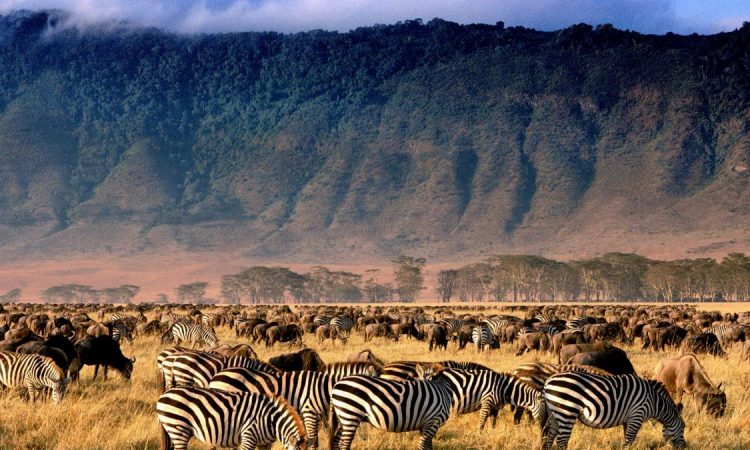
Tanzania offers the Serengeti and the Ngorongoro Crater: two of the most celebrated wildlife destinations on earth. The Ngorongoro Crater is arguably the single best place in Africa to see the Big Five in a single day. Tanzania is larger, wilder and slightly more remote than Kenya, which appeals to travellers who want fewer vehicles at sightings and a more genuine sense of wilderness. For sheer scale and spectacle, Tanzania is hard to beat.
You can spot the Big 5 in one day at the Ngorongoro Crater
4. What to Pack
Packing for safari is simpler than most people expect, with a few important specifics that make a significant difference to your comfort and experience.
Clothing: neutral colours; khaki, olive, beige, grey. Avoid white (dust) and bright colours (they can disturb animals). Layers are essential: bush mornings are cold, afternoons are warm.
Footwear: comfortable walking shoes or light hiking boots for game walks and gorilla treks; flip-flops for the lodge
Sun protection: SPF 50+ sunscreen, wide-brimmed hat, UV-protection sunglasses, the equatorial sun is stronger than it feels
Camera: bring whatever you have, but a zoom lens (200mm minimum) makes a significant difference. A dust-proof bag is worth the investment
Luggage: soft-sided bags strongly preferred over hard cases, they fit better in vehicle storage and light aircraft holds
Insect repellent: DEET-based, especially for evening and early morning hours in forested areas
5. Safari Etiquette: How to Behave in the Bush
Safari etiquette is not about being formal. It is about being respectful of the animals, the environment, the local communities and the other travellers sharing the experience with you. A few principles go a long way.
In the Vehicle
Always follow your guide’s instructions, they are the authority in the bush
Stay seated and move slowly near wildlife, sudden movements can startle animals and cause dangerous reactions
Keep voices low, the bush is quiet and sound carries far
Switch phones to silent, a ringtone at the wrong moment is the kind of thing the group will not let you forget
Around Wildlife
Never feed animals, it disrupts their natural behaviour and can be dangerous for both animal and tourist
Maintain the required distance at all times, especially during gorilla and chimpanzee treks
No flash photography, it disturbs animals and produces worse images anyway
If you are unwell on the day of a gorilla trek, do not go, human diseases can be transmitted to great apes and this rule exists to protect them
In Local Communities
Ask permission before photographing people, it is a basic courtesy and the right thing to do
Buy local where possible, community craft markets, local restaurants, and community-run lodges put money directly into the communities that live alongside the wildlife
Leave no trace, national parks are pristine environments; keep them that way
Leave a Reply