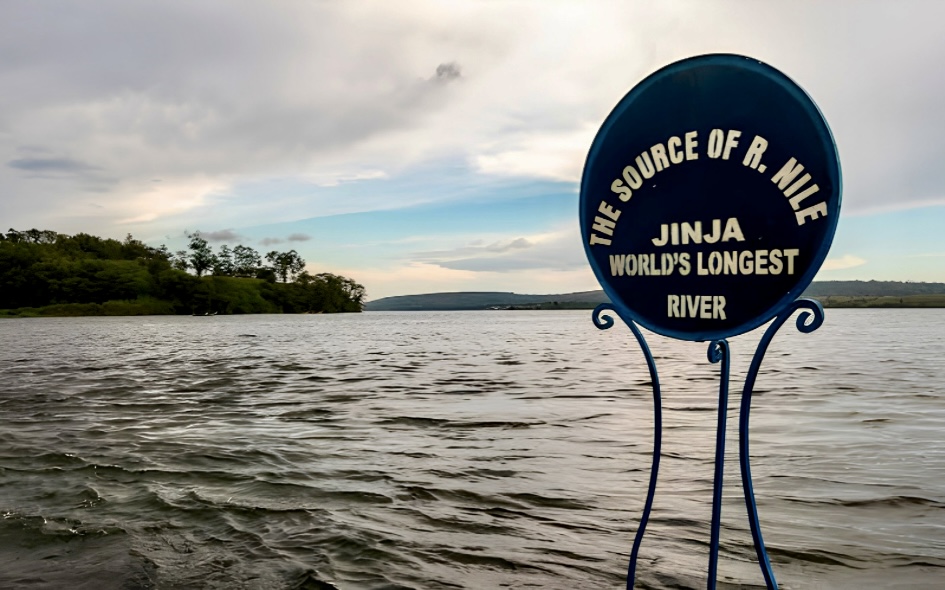
The River Nile is the longest river on earth. It has shaped civilisations, sustained empires and captured the imagination of explorers, scholars and travellers for thousands of years. Ancient Egyptians worshipped it. Roman emperors sent expeditions to find where it began. Victorian explorers staked careers, friendships and their lives on its discovery.
And for most of history, the source of the Nile was one of the great unsolved mysteries of the ancient world. Today, the answer is known, confirmed and for travellers who know where to look, completely visitable.
The source of the Nile is in Uganda, on the northern shore of Lake Victoria, near the town of Jinja, approximately 80 kilometres east of Kampala.
You can stand there. You can watch the water begin its 6,650-kilometre journey to the Mediterranean. You can say, quite truthfully, that you have been to the very beginning of the world’s most storied river.
Most people, somehow, have no idea.
What the Source of the Nile Actually Is
The source of the Nile, specifically the White Nile, the Nile’s primary headwater, is the point where Lake Victoria empties northward into what becomes the Victoria Nile. This outflow point, at Jinja, is where the river begins in the most literal sense: where standing water becomes moving water, where a lake becomes a river, where the Nile’s 6,650-kilometre journey to the Mediterranean begins.
Lake Victoria itself, the largest lake in Africa and the second-largest freshwater lake in the world, is fed by rivers flowing in from Uganda, Kenya and Tanzania, making the lake’s actual origin even more distributed across the region. But the conventionally accepted source of the Nile, the point that explorers spent centuries seeking and that today’s visitors come to see, is the Ripon Falls outflow on the northern shore of Lake Victoria at Jinja, Uganda.
The original Ripon Falls were submerged by the construction of the Owen Falls Dam in 1954, later renamed Nalubaale Dam, which raised the lake’s water level and altered the visible landscape. What exists today is a series of rapids at the outflow point, where the water begins its northward journey. A boat trip to the source takes you to a floating marker positioned above the original fall location, a simple point on the water that carries an extraordinary weight of geography and history.
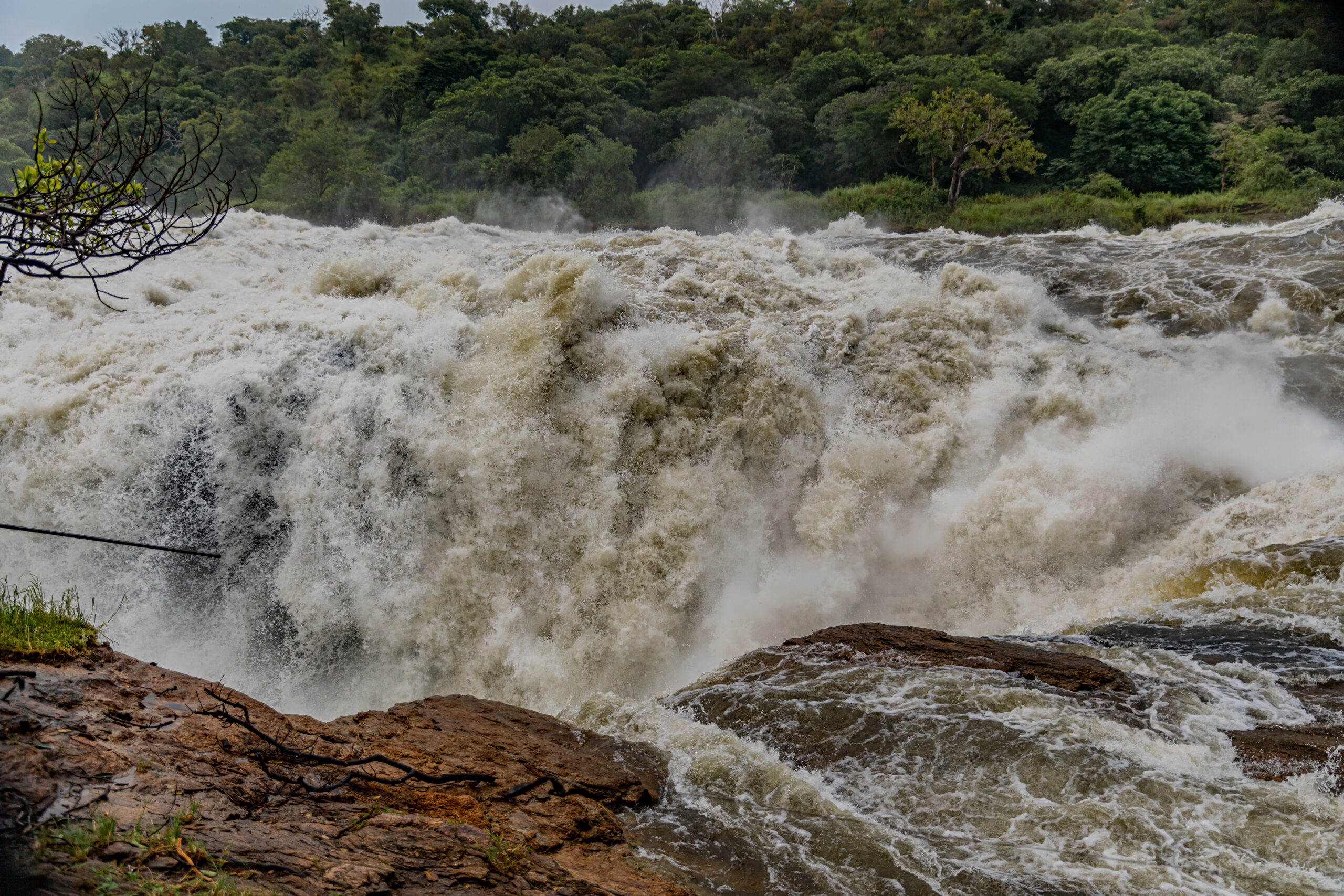
From Jinja, the Victoria Nile travels northwest through the interior of Uganda, passing through Lake Kyoga, gathering volume and momentum and eventually arriving at Murchison Falls National Park, where the entire river is compressed through a gap just seven metres wide before continuing as the Albert Nile toward South Sudan. The Nile you encounter on a boat cruise at Murchison Falls, surrounded by hippos and crocodiles and elephants, is the same river that began its journey at the quiet outflow in Jinja.
The Centuries-Long Search That Led to Uganda
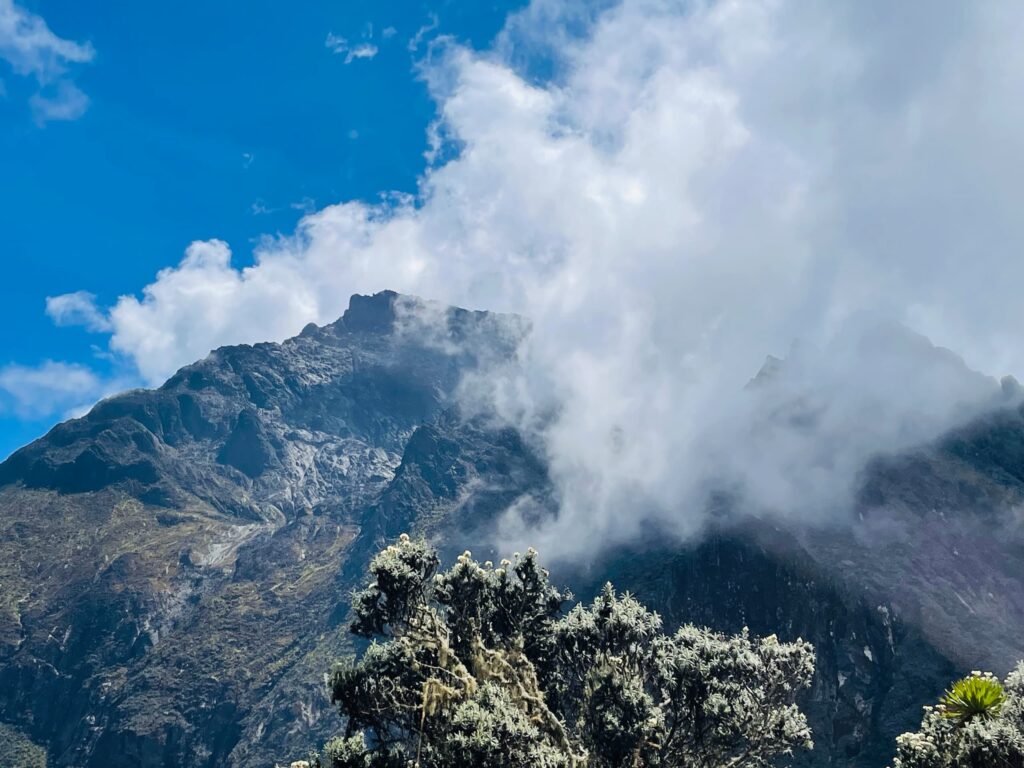
The search for the source of the Nile is one of the great stories of exploration. The ancient Egyptians, despite living along the Nile’s lower reaches for millennia, did not know where it began. The Greek geographer Herodotus speculated, Ptolemy mapped snow-capped mountains near the equator, the ‘Mountains of the Moon,’ now known as The Rwenzoris on Uganda’s western border and suggested they fed the river. Roman Emperor Nero sent centurions south along the Nile but they returned unable to penetrate the vast swamps of what is now South Sudan.
The mystery endured through the medieval period, through the age of exploration and into the nineteenth century, when it became one of the defining obsessions of the Victorian era. The Royal Geographical Society sponsored expeditions and Richard Burton and John Hanning Speke travelled into East Africa in 1857 and 1858. Burton was convinced the source lay at Lake Tanganyika and Speke disagreed. While Burton was ill, Speke reached a vast lake to the north that he named Lake Victoria in honour of the queen.
Speke returned in 1862 at the northern shore of Lake Victoria and found the point where the lake’s water poured northward in a great outflow he named Ripon Falls. ‘I saw that old father Nile without any doubt rises in Victoria Nyanza,’ he wrote. He was right. Burton rejected the claim and their bitter dispute continued until Speke’s death in 1864. But later exploration, including Henry Morton Stanley’s circumnavigation of Lake Victoria in 1875–76, confirmed that Lake Victoria was the principal source of The Nile.
The source of the world’s longest river, the subject of two millennia of speculation, the destination of some of the most dangerous expeditions in the history of exploration, was in Uganda.
What Jinja Is Today
Jinja has evolved from the quiet colonial-era town Speke passed through into one of East Africa’s most vibrant destinations to a city built on the Nile’s energy in more ways than one. Owen Falls Dam, later renamed Nalubaale Dam, generates much of Uganda’s electricity from the same outflow point that launched the Nile.
But Jinja tourism is perhaps better known today as East Africa’s adventure capital. The stretch of the Nile immediately below the source runs through some of the most technically challenging white-water rapids on the continent, Grade 5 rapids that attract kayakers and rafters from across the world. Bungee jumping, quad biking, kayaking and stand-up paddleboarding all run off the same stretch of river that John Hanning Speke stood beside in 1862 and declared the answer to history’s most famous geographical question.
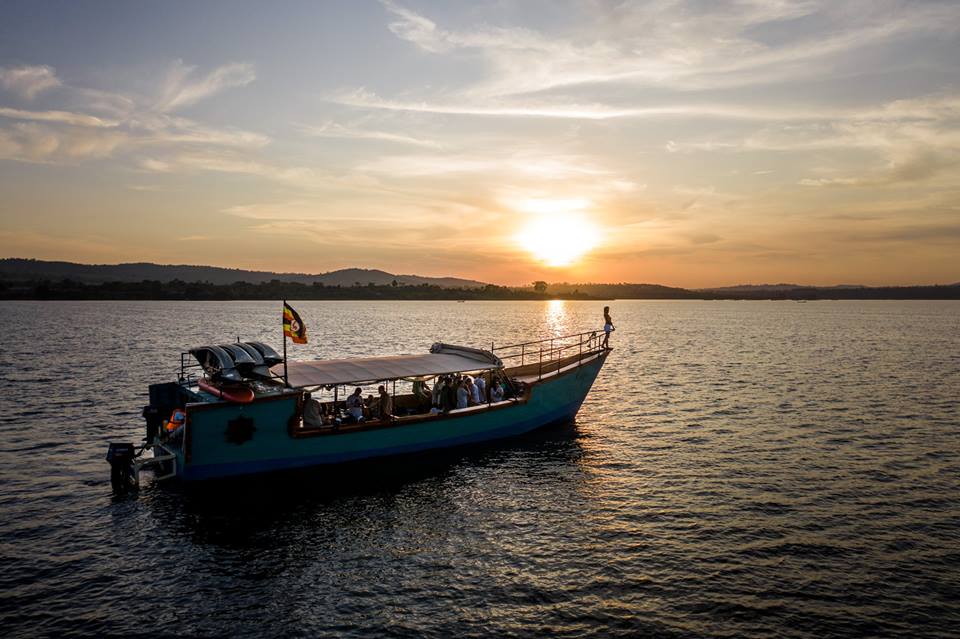
A boat cruise to the source marker itself is quieter, a short excursion onto the water, watching the outflow, standing above the spot where the Nile begins. Guide boats often spot otters along the banks. The air smells of water and vegetation. Marabou storks circle. There is something profoundly calming about being at the beginning of something so vast.
Why the Source of the Nile Belongs on Your Uganda Itinerary
Jinja sits approximately 80 kilometres east of Kampala, making it one of Uganda’s most accessible day trips or overnight stops. For travellers flying in and out of Entebbe, Jinja can anchor the start or end of a trip, typically reach in around two to three hours depending on traffic. It’s a meaningful introduction to Uganda’s waterways before heading North toward Murchison Falls. The drive from Kampala goes through some of the country’s most fertile agricultural land, including Mabira Central Forest Reserve, Uganda’s largest surviving natural forest.
Beyond the source marker itself, Jinja has developed into one of East Africa’s most vibrant secondary cities. White-water rafting on Grade 3 to Grade 5 rapids, bungee jumping 44 metres above the flowing Nile, kayaking, stand-up paddleboarding, quad biking along the riverbank and some of Uganda’s best riverside dining all operate within a short radius of the source. For travellers who want adventure alongside history, Jinja delivers both in the same day.
Standing at the source of the Nile is one of those rare travel experiences where geography, history and landscape converge into something that feels genuinely significant. The river that fed ancient Egypt, that defied Roman emperors, that consumed the careers of Victorian explorers begins here, at a quiet outflow on the northern shore of Lake Victoria, in a country that not enough people know is home to one of the world’s most extraordinary geographical landmarks.
Uganda is the source. In more ways than one.

Visit the Source of the Nile with The Rift Valley Explorer
Some travelers chase the Source of the Nile, others chase game drives or forgotten history. We handcraft the journey that fits what you’re chasing.
The world’s longest river begins in Uganda. So should your safari.
Leave a Reply