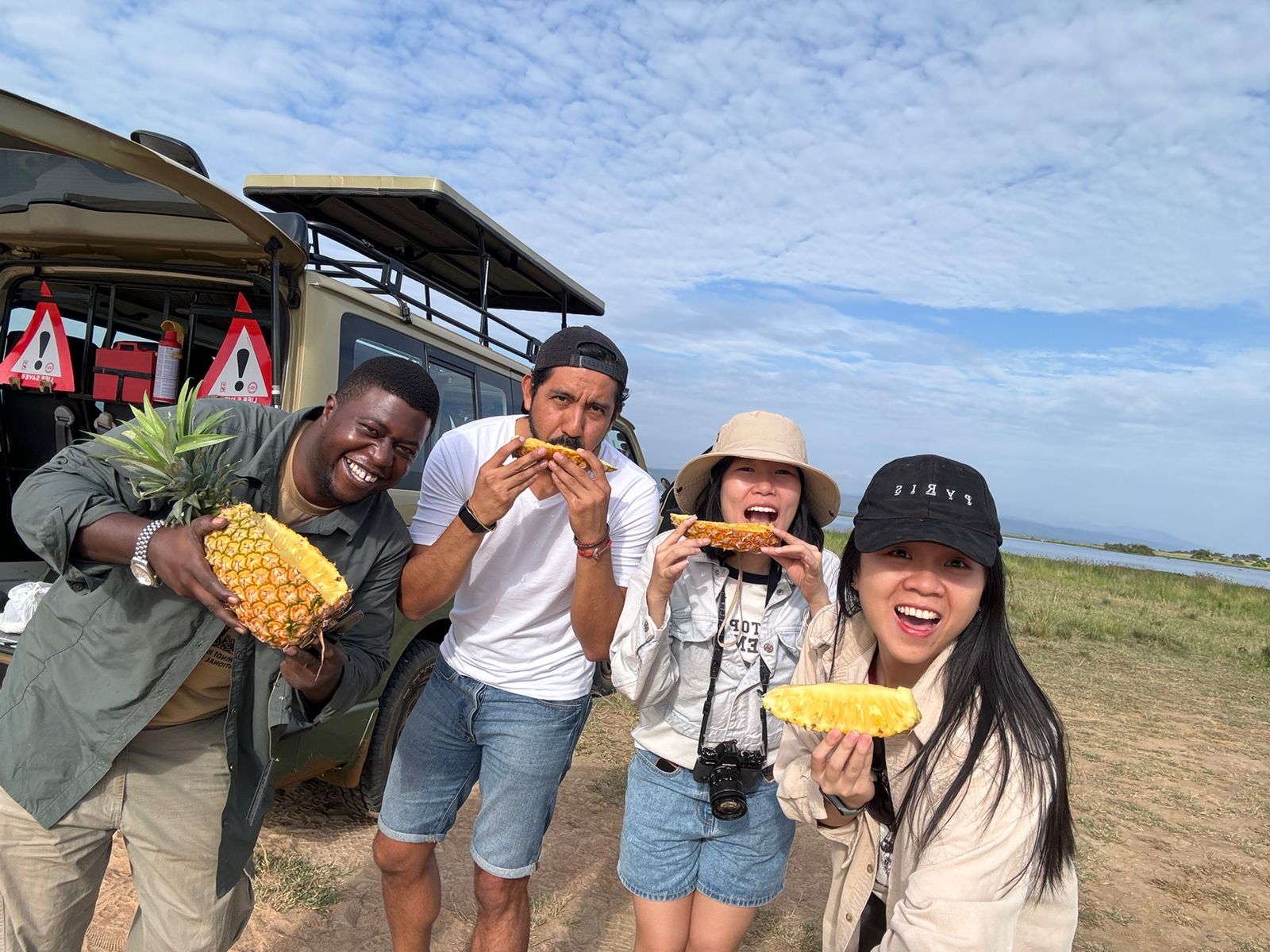
Uganda is calling. Now comes the question everyone asks before booking: when is the best time to go?
Here’s the honest answer — Uganda is a year-round destination. The sun shines. The gorillas roam. The birds sing. But timing still matters, and knowing the difference between Uganda’s seasons can be the difference between a good trip and an unforgettable one.
Uganda doesn’t follow the dramatic summer-winter swings you might be used to at home. Straddling the equator, it runs on two dry seasons and two rainy seasons, each with its own character, its own rewards and its own reasons to pack your bags. Here’s what you need to know about each one.
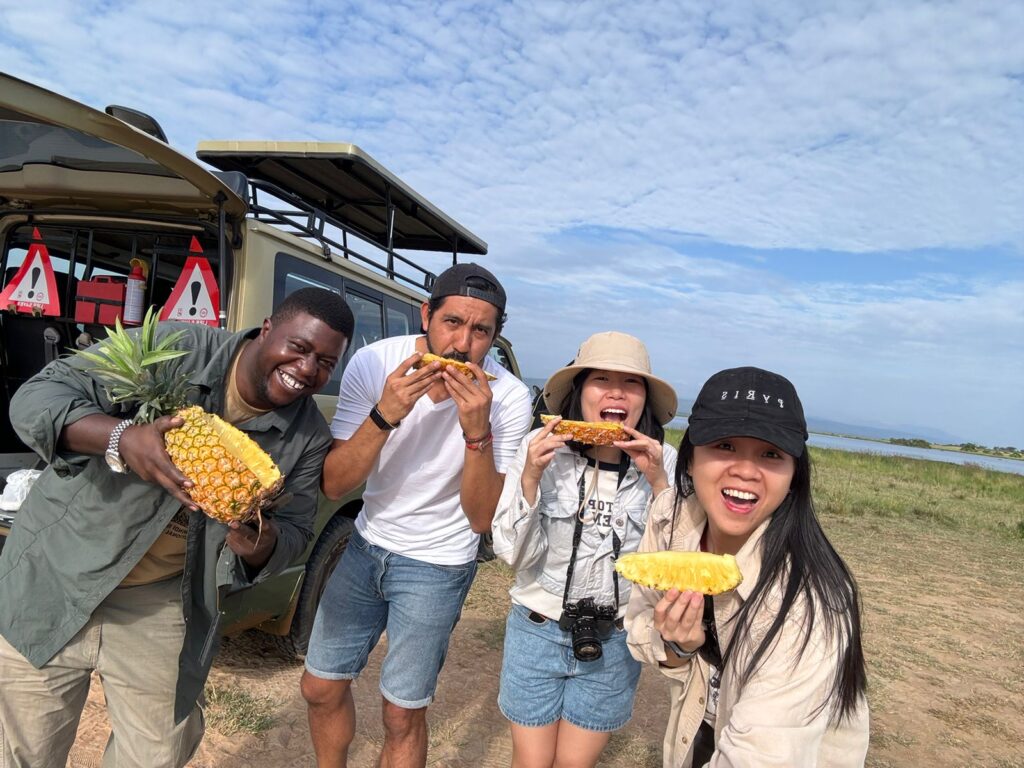
June to August: The Long Dry Season, Uganda’s Safari Prime Time
This is the window most people mean when they say ‘peak season‘, and for good reason. June, July, and August deliver the conditions that make East African safaris legendary. Dry roads. Thinning vegetation. Wildlife clustering around water sources. If you want the textbook-perfect Uganda safari, this is your answer.
In Murchison Falls National Park and Queen Elizabeth National Park, the dry season concentrates game around the remaining water, which means fewer kilometres driven and more extraordinary sightings. Elephants, lions, leopards, hippos and buffaloes all become easier to find when the landscape opens up and the waterholes do the work for you.
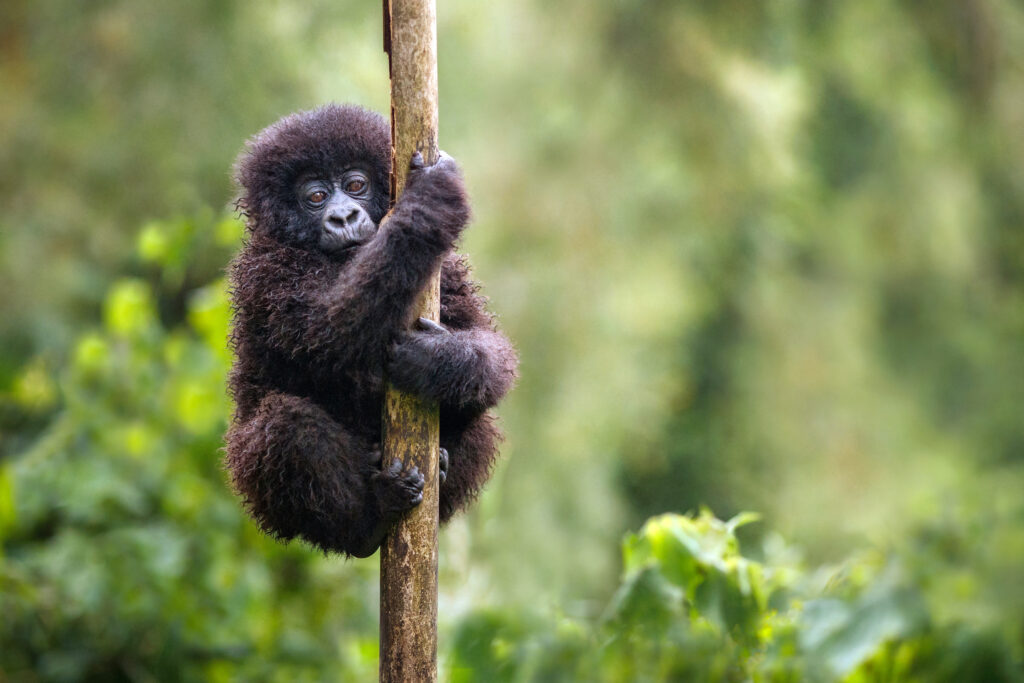
In Bwindi Impenetrable Forest, the trails are at their most accessible. Firmer ground, drier paths, and clearer sightlines make gorilla trekking more physically manageable, an important consideration when you’re tracking a habituated family through steep, dense jungle. Kidepo Valley National Park, Uganda’s wildest and most remote wilderness, is also most accessible during this period.
- Best for: gorilla trekking, game drives, chimpanzee tracking, Nile boat cruises
- Wildlife highlights: exceptional game viewing in Murchison Falls and Queen Elizabeth NP
- Heads up: This is peak pricing season and gorilla permits sell out fast, sometimes months in advance. Book early.
January and February: The Hidden Gem Season — The Real Sweet Spot
Ask any safari professional which months they’d personally choose for Uganda, and a surprising number will say January or February. This short dry season offers near-identical conditions to the peak months, clear skies, excellent game drives, accessible gorilla trails, but without the crowds, the pressure, or the peak-season price tag.
Lodge prices drop 10 to 20 percent compared to July and August. Gorilla permit availability opens up considerably. And the parks feel like they belong to you, quieter, more intimate and every bit as spectacular as the months that get all the attention.
January and February also overlap with excellent birding, as migratory species from the north are still present before heading back for the European spring. For travellers who want the full Uganda experience without planning a trip a year in advance, this is the window that rewards flexibility.
- Best for: gorilla trekking, birding, honeymoons, value-conscious travellers
- Conditions: clear skies, dry trails, excellent game viewing
- Advantage: 10–20% lower lodge prices, far easier gorilla permit availability
March to May: When Uganda Comes Alive — The Green Season
The long rains arrive in March and they transform the country. This isn’t rain as inconvenience, this is rain as spectacle.
Waterfalls run at full power. Murchison Falls in full flood is one of the most powerful natural spectacles in East Africa, the entire volume of the Victoria Nile forcing itself through a seven-metre gap in the rock. The forests of Bwindi and Kibale become primordially alive: impossibly lush, dripping green, layered with sound. The landscape looks like something from a nature documentary, because it is.
For birdwatchers, April and May are among Africa’s finest months, full stop. Uganda’s already staggering bird list, over 1,090 species, goes into overdrive as residents enter full breeding mode and the forests ring with activity. If birds are your reason for coming, this is your season.
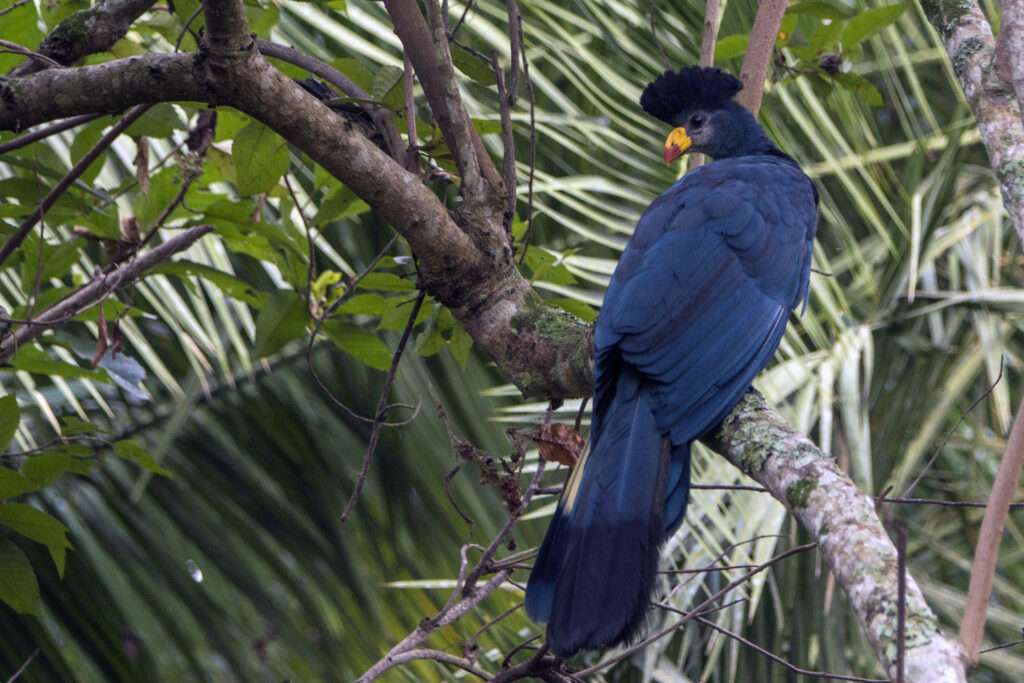
And you’ll often have the parks entirely to yourself. Gorilla permits are easiest to secure. Lodge rates drop to their lowest. The photographers who know Uganda come in April and May specifically for the soft light, the dramatic skies, and the green so vivid it almost hurts to look at.
- Best for: birding, photography safaris, budget-conscious travellers, off-the-beaten-path experiences
- Highlights: waterfalls at full power, forests at their most alive, lowest tourist density
- Advantage: lowest prices of the year, easiest gorilla permit availability
September to November: The Most Underrated Window
September, October and November make up Uganda’s most underrated travel period and travellers who discover it tend to come back for it deliberately.
Mornings are clear and golden. The dry season’s wildlife momentum carries into September and early October, game viewing remains excellent, gorilla trekking stays accessible, and the parks feel unhurried.
October is when the Palearctic migrants arrive, birds from Europe and Asia descending on Uganda’s forests, wetlands, and savannahs as they escape the northern winter. Combined with Uganda’s resident species, this makes October one of the year’s finest birding periods, rivaling even the green season for sheer variety and activity.
Prices ease from their peak-season highs. Permits become more available. The parks begin to quiet down. For travellers who missed the peak window or want something a little different, September to November delivers.
- Best for: birding, game drives, value seekers, travellers with flexible schedules
- Highlights: Palearctic migrants arriving in October, strong dry-season wildlife momentum in September
- TRVE tip: Book morning game drives afternoons can bring rain, but the golden-hour mornings more than make up for it.
What to Consider Beyond the Season
Timing is just one piece of the puzzle. Here’s what else shapes the perfect Uganda safari:
Gorilla Permits
Uganda Wildlife Authority issues just eight permits per gorilla family per day. During peak season, these can sell out four to six months in advance. If Bwindi is on your list, and it absolutely should be, plan ahead with us so we can secure permits on your behalf.
What You Want to Do
Your ideal timing shifts depending on your priorities. Birders should look at April, May, or October. Primate trackers have options year-round. Photographers often prefer the green season’s light and drama. Budget-conscious travellers get the best value between March and May. Tell us your must-have experiences and we’ll find your perfect window.
The Real Answer: There’s No Bad Time to Visit Uganda
Every season in Uganda has something remarkable to offer. The gorillas don’t take a dry season off. The chimpanzees of Kibale don’t disappear in the rain. The Nile doesn’t stop flowing.
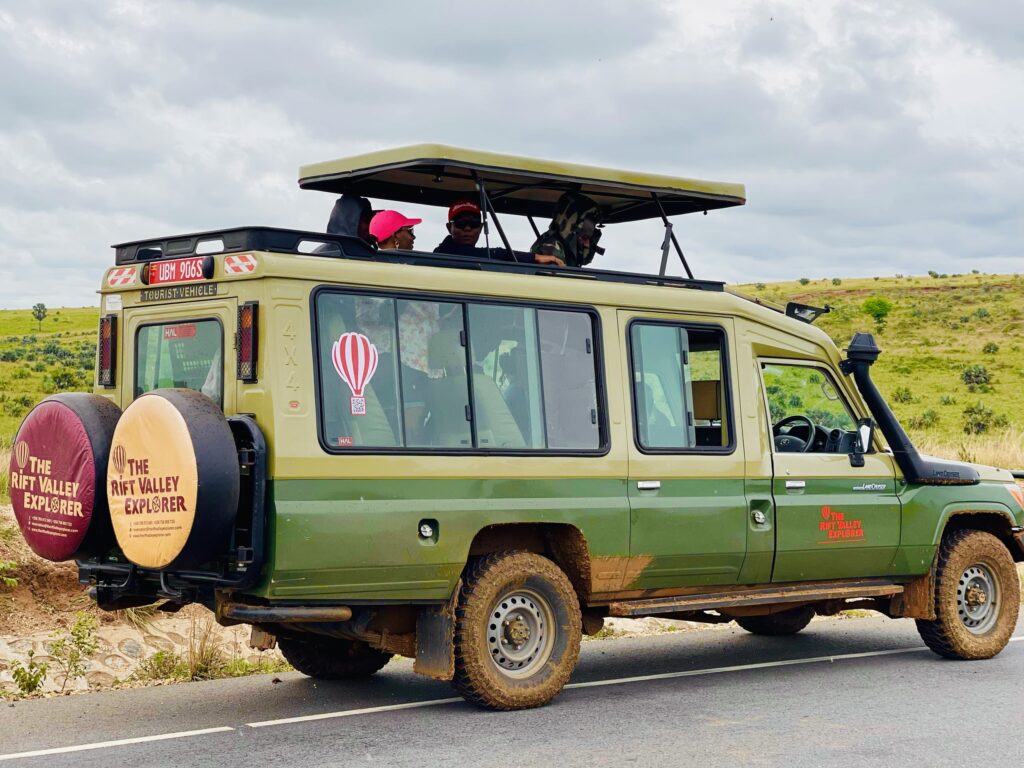
What matters is having the right team behind you. Guides who know these parks like their own backyard. Vehicles built for every road condition. An itinerary crafted around your exact travel dates, your interests, and the experiences you’ll be talking about for the rest of your life.
That’s what we build at The Rift Valley Explorer. Every safari is handcrafted, not copied from a template, not pulled off a shelf. We work with your dates, not around them.
Start Planning Your Uganda Safari Today
Ready to find your perfect Uganda window? Our team is here to help you plan every detail from permits to itinerary, accommodation to activities. Just click the button below.
Leave a Reply