Here’s the short answer: any time. Uganda sits on the equator, which means its birds don’t migrate away, the forests don’t go quiet, and there’s no such thing as a genuinely bad season for birding here.
But here’s the longer answer: because different times of year bring genuinely different experiences, and if you’re chasing something specific, the calendar matters more than you’d think.
Uganda Is a Year-Round Birding Destination 🕐
Most birding destinations have an obvious “on” season and a quieter one. Uganda isn’t like that. Its equatorial position means resident species are active all year, every habitat is accessible in every season, and the birding is consistently excellent no matter when you arrive.
What changes is the character of the experience, the species mix, the light, the trail conditions, and the atmosphere of the forest or savannah around you. Uganda has over 1,090 recorded bird species and the extraordinary thing is that a large portion of them are resident. The country doesn’t empty out. The question is simply which version of Uganda you want to experience.
Here’s how the seasons break down. 👇🏾
🗓️The Dry Seasons: June–August and December–February
These are Uganda’s most popular travel windows, and for good reason.
Dry conditions mean forest trails are easier to walk, savannah roads are more accessible, and early mornings, the golden hour for birding everywhere, are clear and cool. Without the thick wet-season vegetation pressing in, visibility in the forest is better. Species that spend the wet months deep in the canopy come lower and are more easily spotted.
For birders combining wildlife and birding in a single itinerary, the dry seasons are the most comfortable and the most logistically flexible. Gorilla tracking trails at Bwindi are at their most manageable, game viewing on the savannah is excellent (animals concentrate around water sources), and the clear conditions mean you can plan full days in the field without weather interruption.
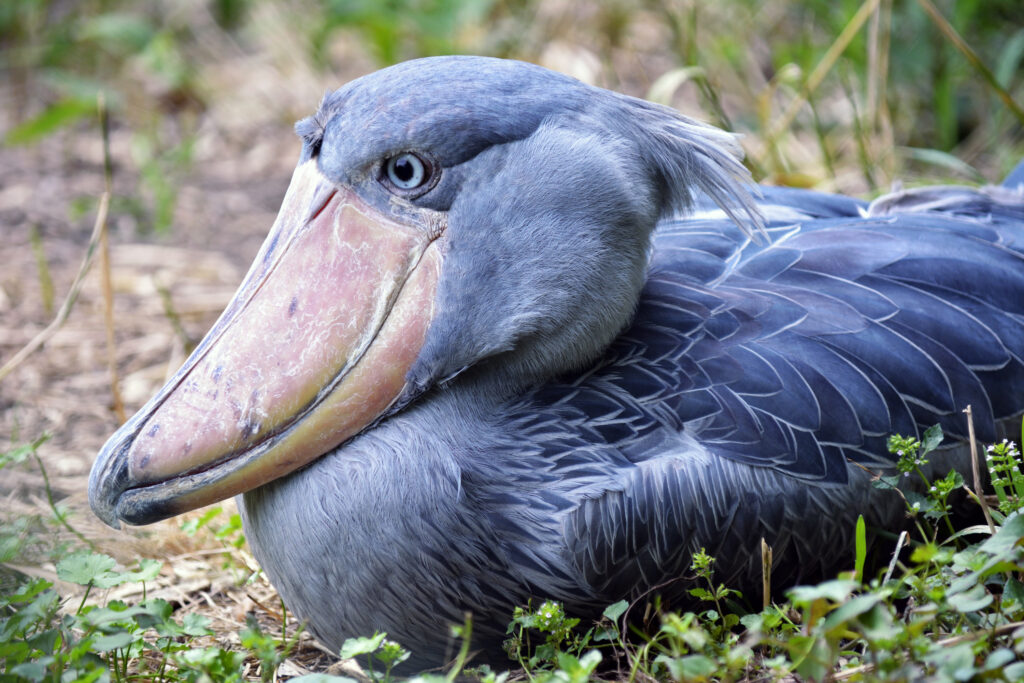
The dry season is also the best time to experience the shoebill at Mabamba Swamp. Water levels drop, papyrus thins slightly, and the birds are more predictably located in the shallower channels. Dawn trips during the dry months have an exceptionally high hit rate.
For first-time Uganda visitors who want birding woven into a broader safari; gorillas, chimpanzees, big game and birds, the dry season is the natural starting point.
Best for: Comfortable travel, combined safari and birding itineraries, shoebill at Mabamba, gorilla trekking, forest and savannah access for first-time Uganda visitors.
The Rift Valley Explorer tip
The Legendary Shoebill Stork
🗓️The Migratory Window: October–March
Between October and March, Uganda’s resident species are joined by migratory birds arriving from Europe and Northern Africa, and species counts climb noticeably across every habitat type.
This is one of Uganda’s most underappreciated advantages as a birding destination. Because its habitats are so varied, open grassland, tropical forest, highland forest, wetland and riverine bush, it draws an unusually wide range of Palearctic migrants alongside its already extraordinary resident community. Warblers, flycatchers, raptors and waders all move through or winter here, filling niches across the entire country.
The overlap between the migratory window and Uganda’s short dry season (December– February) creates a particularly productive combination: comfortable trail conditions and elevated species counts. Serious listers who do their research often plan around this window specifically.
For context: Uganda’s resident species alone make it one of Africa’s top birding destinations. Adding a significant migratory influx on top of that is what pushes the numbers into genuinely remarkable territory.
Best for: Serious listers, maximum species counts, Palearctic migrants, combining resident and migratory species in a single trip.
The Rift Valley Explorer tip
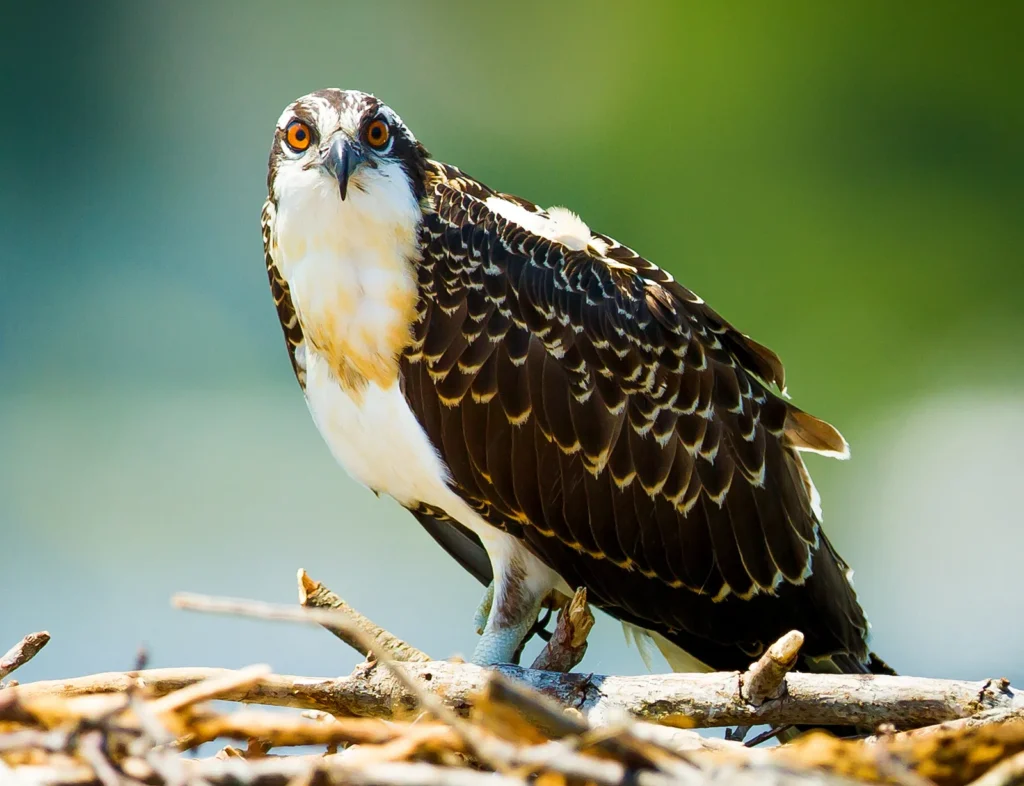
Raptors are predatory birds defined by their keen eyesight, sharp talons and hooked beaks
These are the seasons that don’t get enough credit, and the ones that serious birders increasingly choose.
Yes, the trails are muddier. Yes, afternoon downpours are part of the rhythm of a forest day. But the rainy seasons bring Uganda’s forests to their most vivid, alive state, lush, layered and humming with colour and sound in a way that the dry months simply can’t match. Birds are in full breeding plumage. The canopy is dense and active. And the reduced visitor numbers mean quieter trails, slower pacing, and encounters that feel genuinely intimate.
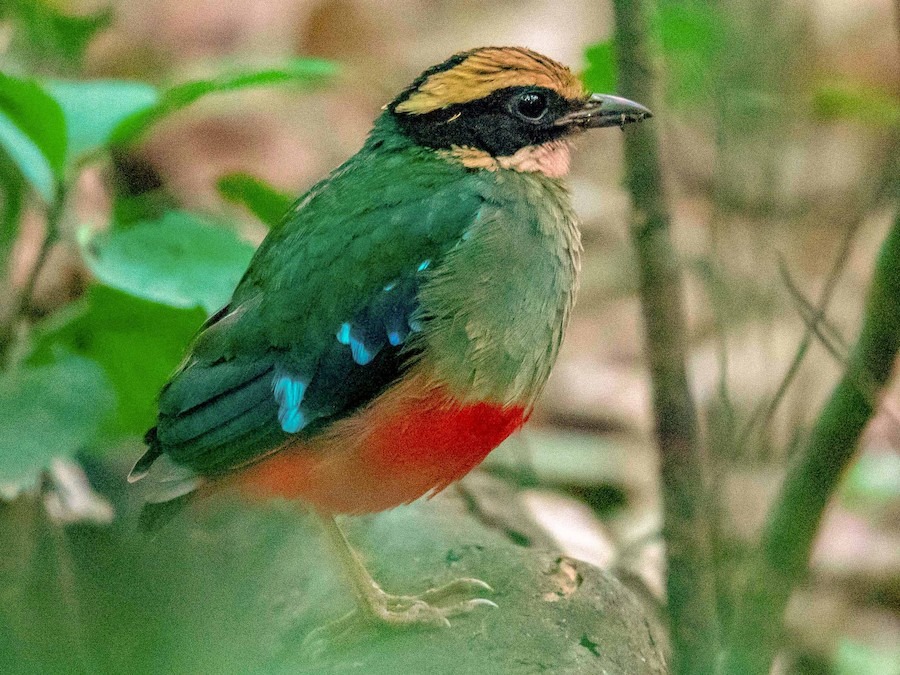
The single biggest reason to visit during the rains is the African pitta, one of Uganda’s most coveted species and one of the most visually extraordinary birds on the continent. Secretive, jewel-coloured, a ground-dweller that moves through the forest understory like a rumour. The pitta emerges in Kibale Forest and along forest edges during the wet months and dedicated birders from Europe and North America time entire trips around it. During the dry season, finding one requires significant luck. During the rains, patience and a good guide are usually enough.
The wet season is also ideal for Albertine Rift endemics at Bwindi. The forest at Ruhija sector is at its most atmospheric, activity in the understory is at its highest, and species like the Shelley’s crimsonwing and African green broadbill are more frequently encountered along the forest trails.
Accommodation rates in the wet season are often lower and lodges are quieter. For birders who want the forest to themselves, this is the time to come.
🗓️July–October: Carmine Bee-Eater Season at Murchison Falls
If there’s one seasonal birding event in Uganda that deserves to be on every serious birder’s radar, it’s this.
Between July and October, carmine bee-eaters nest in the sandy riverbanks and clay cliffs of the Victoria Nile at Murchison Falls National Park. Colonies form in the banks above the waterline, and when the birds lift, a dense, swirling cloud of vivid crimson and turquoise rising above the Nile, it is one of the most purely spectacular sights in East African birding. Not just for listers. For anyone.
The launch cruise from Paraa to the base of the falls is already one of Uganda’s essential experiences. It delivers goliath herons, African darters, African skimmer, pied kingfisher and Nile Valley sunbird along the banks, with elephants and hippos visible from the water. During carmine bee-eater season, all of that is backdrop to something even more extraordinary.
The savannah at Murchison adds its own rewards: secretary bird, silverbird, bateleur, and long-crested eagle are regularly seen on game drives, and the open northern landscape feels markedly different from the forest parks further south. For birders who want to cover multiple habitat types in a single trip, Murchison in this window is an excellent start or end point.
Best for: Carmine bee-eater spectacle, Nile riverbank birding, savannah species, combining with northern Uganda game viewing.
First-time visitors combining birding with gorilla trekking, chimpanzee tracking and big game will find the dry seasons most comfortable and most flexible. The itinerary flows easily, the trails are forgiving, and the birding is outstanding. Dedicated listers targeting Albertine Rift endemics, Congo Basin specials or the African pitta should seriously consider the wetter months, the rewards are real, the atmosphere is extraordinary and the trails are usually yours alone.
The honest truth is that Uganda offers no genuinely bad season. The birds are here. The habitats are intact. And at The Rift Valley Explorer, we’ve planned successful birding itineraries in every month of the year.
Plan Your Uganda Birding Safari with us:
We have guides who know exactly which season, which habitat and which trail gives you the best shot at the birds you’re chasing.
Whether you’re a lifelong lister or simply someone who wants to watch the carmine bee-eaters rise above the Nile at dusk, we’ll build the itinerary around what matters to you.
Let’s make your birding dreams walk (and fly). Our Big Seven Quest Safari hops across national parks, click below to get started!
Leave a Reply