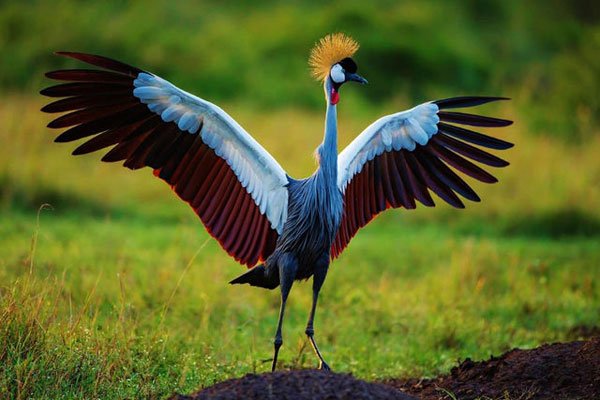
Uganda is smaller than the United Kingdom. It has no coastline. And yet it has recorded over 1,090 bird species, roughly 11% of every bird species on earth, packed into a landlocked country you could drive across in a single day.
That number stops most people in their tracks. And it should. How is it possible?
The answer is geography, and it’s one of the most remarkable stories in African natural history.
Four Ecosystems in One Country
Most countries are defined by one or two major ecosystems. Uganda has four and they collide within a space compact enough to move between them in a matter of hours.
The country sits at the intersection of East African savannah, Central African tropical forest, Albertine Rift highlands and Equatorial wetlands. Each ecosystem supports an entirely different community of birds. Savannah specialists sharing nothing with rainforest endemics. Highland montane species that have never descended to the wetlands below. Papyrus swamp birds that exist almost nowhere else on earth.
In most of Africa, experiencing this breadth of bird habitat would require travelling across multiple countries and thousands of kilometres. In Uganda, a well-designed two-week itinerary can move you through all four ecosystems sequentially and deliver a species list that serious birders spend years chasing across the rest of the continent.
That compression is the foundation of everything. It’s the single most important geographical fact about Uganda as a birding destination and it underpins every number that follows.
Strap in! We’re diving into why Uganda is a birding paradise.
The Albertine Rift: Africa’s Most Important Bird Zone
Running the length of Uganda’s western border, the Albertine Rift is one of Africa’s most significant biodiversity hotspots and for birds, it’s arguably the most important stretch of habitat on the continent.
The Great Rift Valley runs from Ethiopia to Mozambique, but the Albertine section encompassing western Uganda, Rwanda, eastern DRC and parts of Tanzania and Burundi holds the highest concentration of endemic species anywhere in Africa. Uganda alone hosts over 50 Albertine Rift endemic bird species, found in this narrow highland corridor and nowhere else on earth.
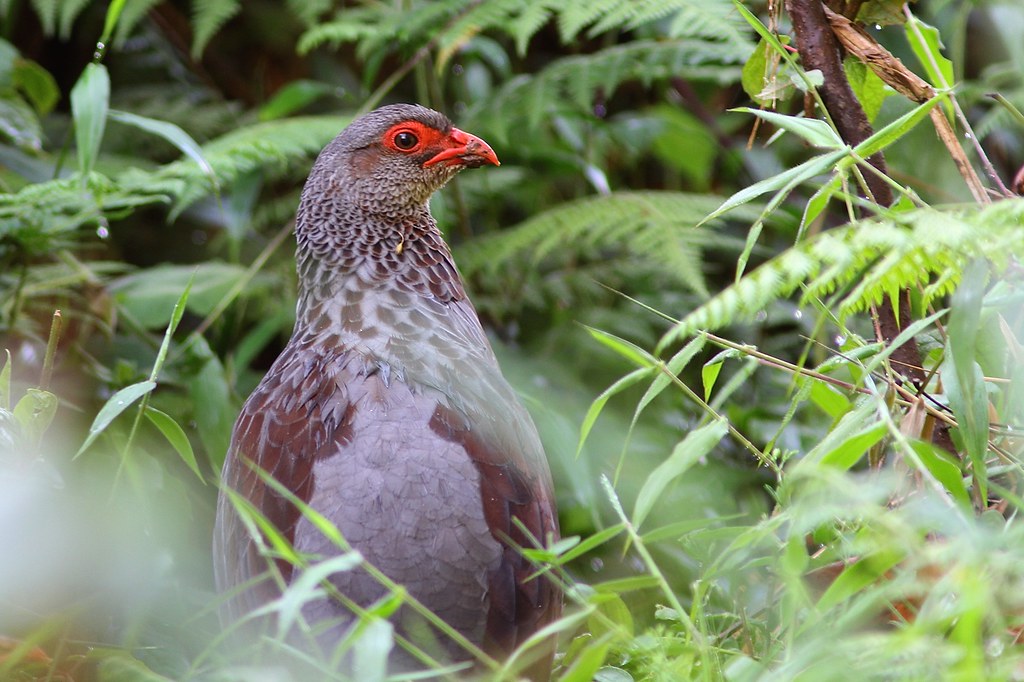
These endemics didn’t arrive here recently. They evolved over millions of years in the ancient forests of the Rift escarpment, isolated from bird populations elsewhere by altitude, climate, and the deep geological fracture of the Rift itself. The African green broadbill, Shelley’s crimsonwing, Rwenzori turaco and handsome francolin exist in Uganda because the Albertine Rift created the precise conditions for speciation, and because Uganda’s highland forests, particularly Bwindi Impenetrable and the Rwenzori range, have remained sufficiently intact to protect them.
This matters to travellers for a practical reason: Uganda is the most accessible entry point into the Albertine Rift endemic zone. The habitats where these birds live are reachable by road, well-guided and combined, at Bwindi and Kibale in particular, with world-class gorilla and chimpanzee experiences. You’re not choosing between wildlife experiences. You’re layering them.
The Congo Basin at Uganda’s Western Edge
One of Uganda’s most extraordinary geographical quirks is found in the far west: Semuliki National Park, a lowland forest in the Rift Valley that represents a northern extension of the Congo Basin rainforest.
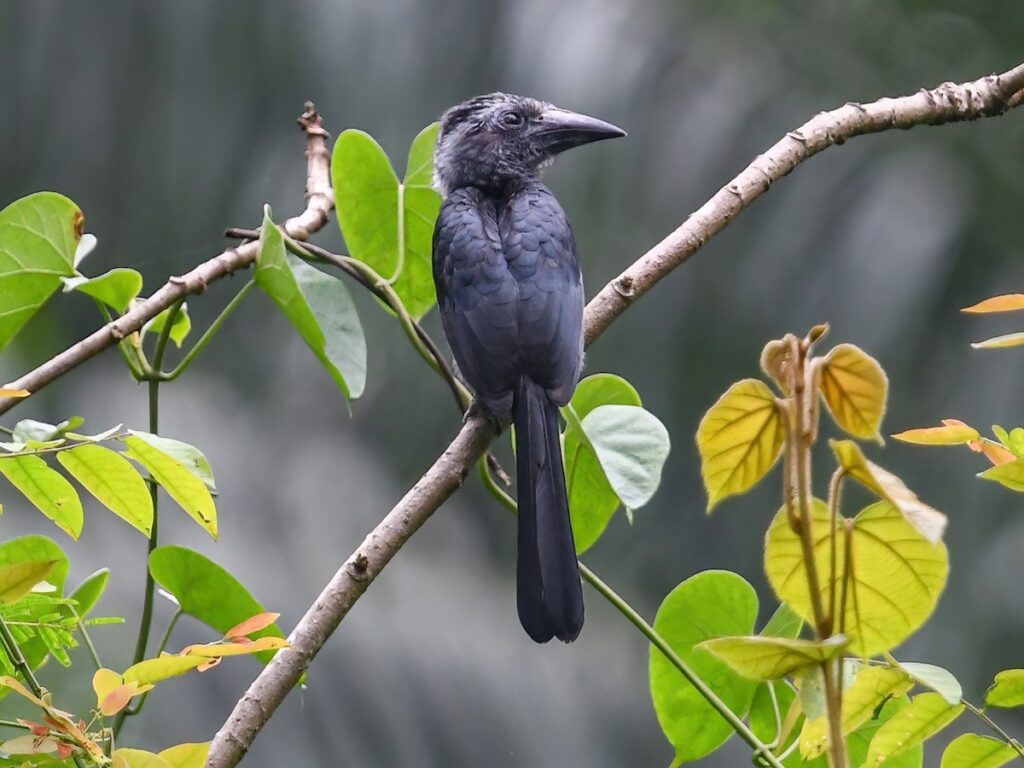
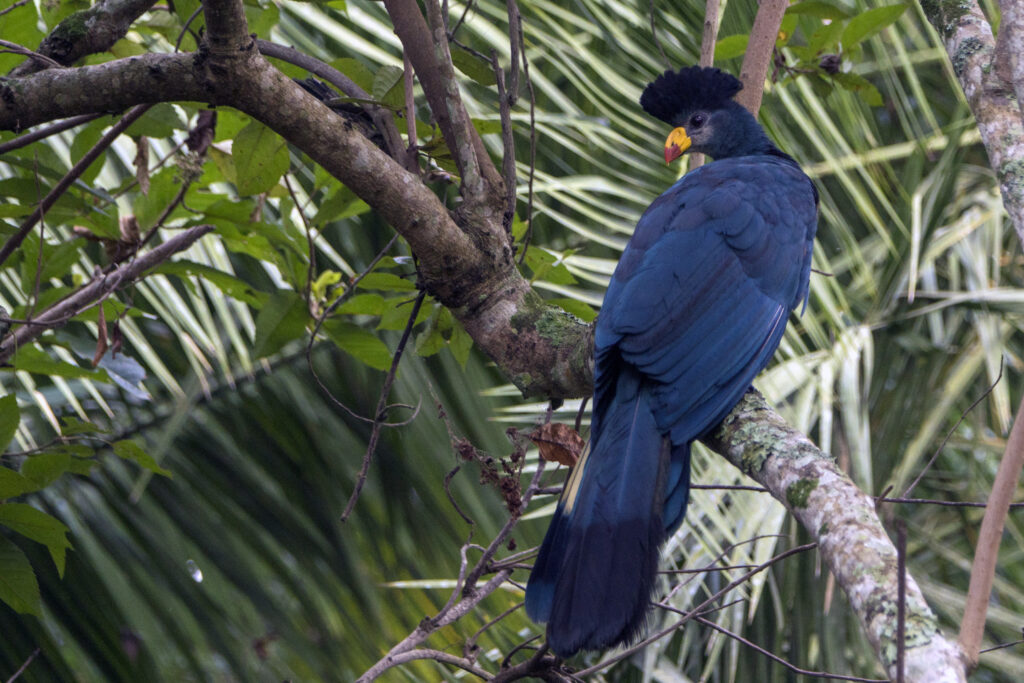
The Congo Basin is the world’s second-largest tropical forest with a vast, ancient ecosystem that spans central and western Africa and supports a bird community that barely overlaps with the species found in East African habitats. Semuliki is where that ecosystem reaches into Uganda, bringing with it Congo Basin bird species that are found nowhere else in East Africa: African piculet, black dwarf hornbill, Congo serpent eagle, Nkulengu rail, Maxwell’s black weaver, white-crested hornbill.
For serious listers, this is extraordinary. Uganda gives you access to Congo Basin specials and Albertine Rift endemics and East African savannah birds, all within a single country and a single itinerary. The combination simply doesn’t exist anywhere else in the region.
Semuliki is specialist territory. It rewards visitors who come prepared, patient, and accompanied by a guide who knows the forest. But for birders chasing a complete East African list, it is genuinely unmissable.
Equatorial Wetlands: The Shoebill’s Domain
Uganda’s position on the equator, combined with the vast outflow of Lake Victoria and the broader Nile catchment system, has created some of Africa’s most extensive and productive wetland habitats and with them, a community of highly specialised wetland birds that exist almost nowhere else.
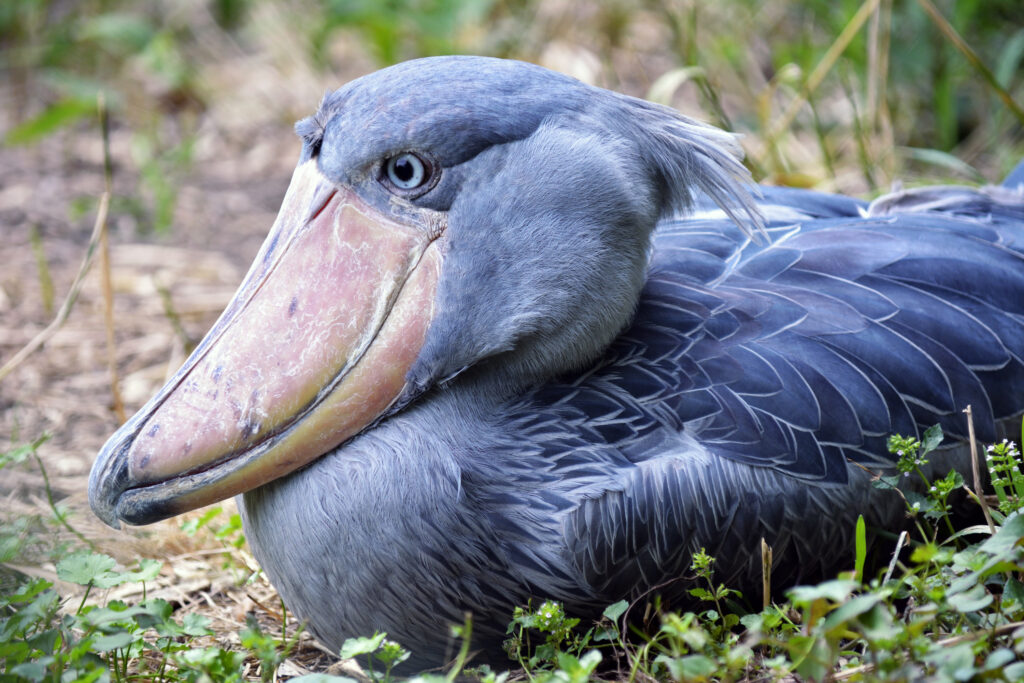
The defining habitat is the papyrus swamp. These dense, towering reed beds line the shores of Lake Victoria, the edges of the Nile and the margins of Uganda’s inland lakes. They are the domain of a suite of papyrus specialists: the shoebill stork, papyrus gonolek, white-winged warbler, Carruthers’s cisticola and African jacana among them.
The shoebill deserves special mention. One of the world’s most ancient-looking birds, prehistoric and enormous in presence, unhurried in everything it does, the shoebill has become Uganda’s birding symbol because the country’s wetlands are among the last reliable strongholds for this rare species. Mabamba Swamp on Lake Victoria’s northern shore is the most accessible and productive site in East Africa, and a dawn boat trip there remains one of the continent’s great wildlife experiences.
Uganda’s equatorial wetlands are not a footnote to the country’s birding. For many visitors, they are the opening act and for some, the entire reason for coming.
Migratory Routes Converging on Uganda
Uganda’s geographical position does one more critical thing: it places the country directly in the path of Palearctic migratory birds travelling between European breeding grounds and sub-Saharan wintering areas.
Between October and March, these migrants arrive in significant numbers across every habitat type. Warblers, flycatchers, raptors, waders are European species that winter in Uganda’s savannahs, forests and wetlands and add substantially to the species count for any birder present during that window. Uganda’s habitat diversity makes it attractive to a particularly wide range of migrants: grassland specialists come to the savannah, forest species filter into Kibale and Bwindi, and waterbirds join the wetland communities on Lake Victoria and the Nile.
Birders who time their Uganda visit to coincide with migration, October to March, can add meaningfully to their species counts without changing their itinerary at all. They’re simply present for a season when the resident community is augmented by thousands of kilometres of travellers.
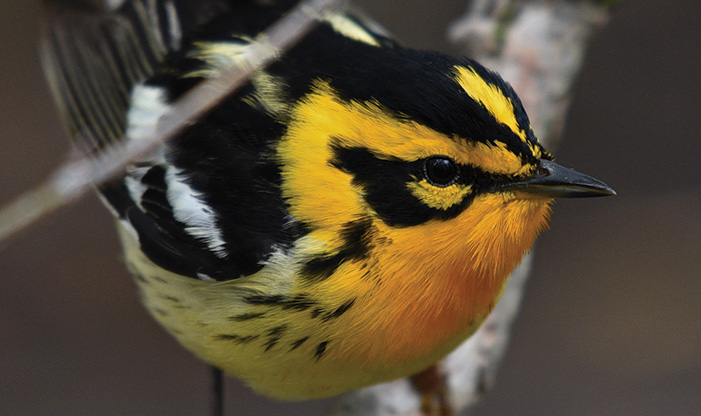
The combination of extraordinary resident species; Albertine Rift endemics, Congo Basin specials and seasonal Palearctic migrants is what ultimately pushes Uganda’s total bird species past 1,090. No single factor explains it. It’s the convergence of all of them, concentrated into a country compact enough to experience in full.
Why Uganda and Not Somewhere Else?
Other African countries have impressive bird lists. South Africa, Kenya, Tanzania, Ethiopia, and the DRC all have significant totals. But Uganda’s specific combination; compact geography, four converging ecosystems, Albertine Rift endemics, Congo Basin access, productive equatorial wetlands and migratory throughput, creates something genuinely unique.
You can move between three completely different ecosystems in a single day’s drive. A dedicated birding itinerary can realistically target 500–600 species across two weeks. The Albertine Rift endemics, the rarest and most sought-after birds in the region, sit within habitats that also offer mountain gorilla trekking, chimpanzee tracking and big game. And the shoebill is 45 minutes from the international airport.
It’s not simply that Uganda has 1,090 bird species. It’s that so many of them are unique or rare or genuinely extraordinary, and that Uganda makes finding them more achievable than almost anywhere else on earth.
Experience Uganda’s Birds with The Rift Valley Explorer
We’ve spent years learning Uganda’s birding landscapes the way a local knows their neighbourhood. Our handcrafted itineraries move you through the ecosystems intelligently wetlands, forests, highlands and savannah, and our guides know every call, every habitat and every season.
Whether you’re chasing Albertine Rift endemics, the shoebill at Mabamba, the African pitta in Kibale, or simply want to understand why Uganda’s birds are unlike anything else in Africa, we’ll build the trip around what matters to you.
Leave a Reply