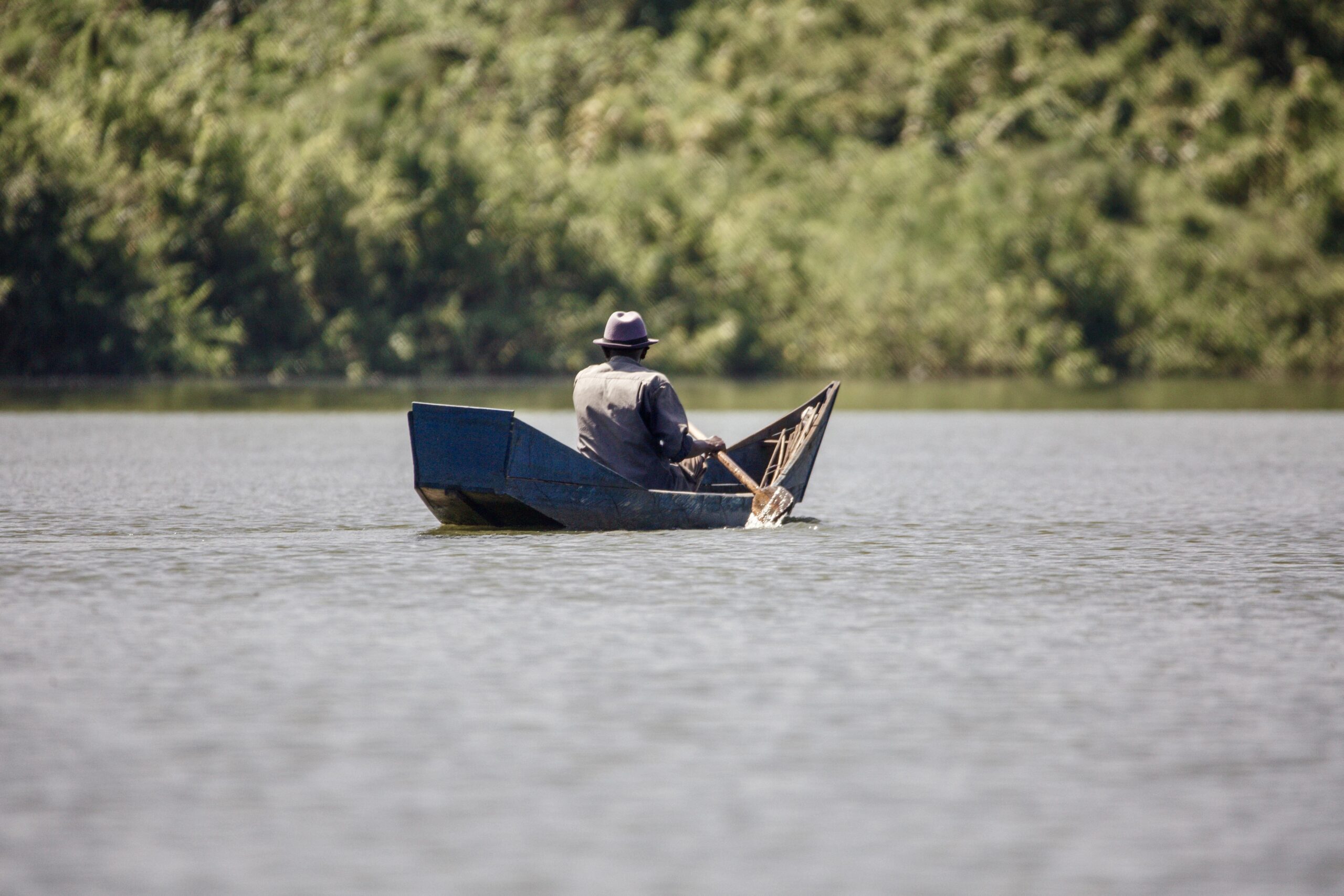
Two-thirds of travellers say they would choose a different destination if they knew their first choice would be crowded. That statistic, from recent global travel research, says something significant about how the travel landscape is shifting. Overtourism is no longer just an inconvenience for visitors. It is actively redirecting where people choose to go.
Quiet travel, slow, intentional, crowd-free and built around depth of experience rather than volume of attractions, is the fastest-growing response to this shift. It is not a budget category or a niche philosophy.
Quiet travel is the new luxury: a deliberate choice to travel in a way that prioritises genuine encounter over efficient consumption, personal pace over group itineraries and lasting memory over shareable content.
This guide covers what quiet travel means in practice, why overtourism is reshaping traveller behaviour and how to plan a crowd-free travel itinerary that delivers more, not less, than the mainstream alternative.
What Quiet Travel Actually Means in 2026
Quiet travel is not simply about choosing quieter destinations, though destination choice is part of it. It is a travel philosophy built on four principles: fewer crowds, slower pace, deeper engagement and intentional itinerary design.
A quiet traveller in 2026 does not measure the success of a trip by the number of countries visited or attractions photographed. They measure it by the quality of what was experienced, the conversation that ran longer than expected, the wildlife encounter that required patience to earn, the meal that took three hours to eat because nobody was in a rush to leave the table. Slow travel and quiet travel are closely related but not identical: slow travel prioritises pace, while quiet travel prioritises atmosphere. The best quiet travel experiences are usually both.
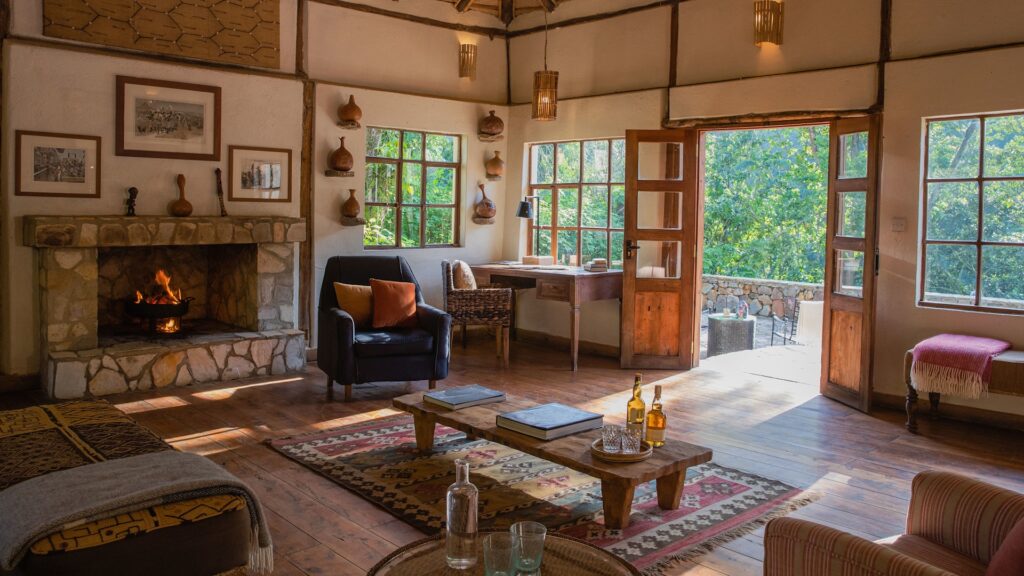
In practice, quiet travel involves off-peak dates, lesser-known destinations, small-group or private experiences, longer stays in fewer places and accommodation that prioritises environment over brand recognition. Nature-led stays, lodges, tented camps and eco-accommodation near natural environments are central, offering settings that reduce stress and recalibrate attention in ways urban hotels rarely can.
Why Over tourism Is Permanently Changing Traveller Behaviour
Overtourism has moved from a concern raised by conservationists to a mainstream travel problem experienced directly by ordinary visitors. The consequences are visible at every scale: queues of two hours to see a painting. Sunrise viewpoints surrounded by hundreds of tripods. Coral reefs degraded by sunscreen and foot traffic. Villages on famous pilgrimage routes that have become outdoor shopping malls.
The traveller response has been measurable and significant. More than two-thirds of travellers report they would avoid a destination known to be overcrowded, even if they had previously planned to visit it. Support for over tourism solutions; timed entry systems, visitor number caps, digital permits, and off-season pricing incentives, is high among travellers who have experienced overcrowded destinations firsthand. The demand for crowd-free travel is not idealistic. It is a rational response to conditions that have materially degraded the experience of visiting the world’s most famous places.
This shift is also economic. The travellers spending the most, staying longest, paying for premium experiences, returning repeatedly, are not rushing through famous attractions in a day. They are the quiet travellers who chose a destination specifically for what the crowded alternative cannot offer: space, attention and genuine access.

How to Choose Off-Peak Dates, Lesser-Known Destinations, and Small-Group Experiences
Avoiding tourist crowds is partly about timing, partly about destination selection and partly about how you choose to experience a place once you’re there. All three matter.
Off-peak travel dates are the simplest intervention. Most destinations have predictable peak periods driven by school holidays, cultural events and climate conditions. Travelling in the shoulder season, two to four weeks either side of peak, usually means significantly fewer crowds, lower prices and the same (or better) underlying experience. In Uganda, for example, the short dry season of December to February delivers near-identical game viewing and gorilla trekking conditions to the June to September peak, with noticeably lower visitor density and 10 to 20 percent lower lodge rates.
Lesser-known destinations within popular regions offer another solution. Kidepo Valley National Park in Uganda’s remote northeast receives a fraction of the visitors that Bwindi and Murchison Falls attract, despite offering some of the most dramatic wildlife and landscape experiences in East Africa. Choosing the less-visited park over the famous one is not settling, it is frequently the superior experience precisely because the crowds aren’t there.
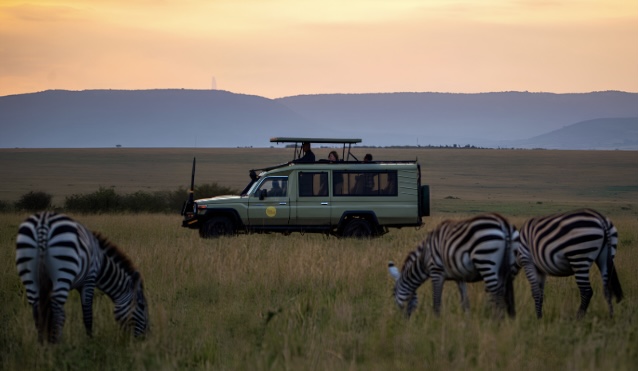
Small-group and private experiences complete the picture. A private gorilla trek in Uganda, eight permits per habituated family per day is the maximum permitted, is inherently a quiet experience. A private game drive in Kidepo with a single vehicle and an expert guide produces a completely different quality of encounter than joining a twenty-vehicle convoy at a lion sighting.
Find out how to take that trip out of the group chat
The Benefits of Slow Travel: Deeper Cultural Exchange, Lower Environmental Impact, Better Value
Slow travel benefits are not simply experiential, they are also economic and environmental. The traveller who spends eight nights in Uganda rather than three spends more money in-country, across more local businesses and with a smaller per-day carbon footprint relative to the intercontinental flights that got them there. The economics of slow travel consistently favour local economies over the international operators and aggregators that capture the majority of short-trip spending.
Deeper cultural exchange is perhaps the most significant slow travel benefit that does not show up in any economic metric. Understanding a place requires time. The cultural nuance, the local rhythms, the social context that make a destination genuinely comprehensible rather than simply visitable, these things emerge over days, not hours. A traveller who spends a week in one region of Uganda, eating at local restaurants, engaging with guides across multiple days and attending a community event they weren’t expecting to find, understands that region in a way that a traveller who saw it in forty-eight hours does not. That understanding is the real product of slow travel.
Low-impact travel is also inherently slower travel. Carbon intensity is dominated by flights, additional time in-country adds relatively little. Choosing sustainable accommodation, eating local food and using locally owned transport align naturally with the slow travel philosophy. The low-impact traveller and the quiet traveller are, more often than not, the same person.
Practical Tips for Planning a Crowd-Free, Intentional Travel Itinerary
Planning a quiet travel itinerary requires intentionality rather than defaulting to what is popular. Here are the principles that consistently produce crowd-free, deeply satisfying experiences.
- Book directly with licensed local operators: a destination management company with genuine local presence can route you through less-visited areas, secure private permits and design an itinerary around your specific interests rather than a pre-packaged template.
- Choose the shoulder season deliberately: identify the two weeks either side of peak season in your chosen destination and compare conditions honestly. In most East African safari destinations, the shoulder season delivers the same wildlife, the same lodges and the same experiences at measurably lower crowd levels.
- Prioritise depth over breadth: two destinations visited properly will always produce a better travel experience than five destinations rushed. Build fewer stops into your itinerary and spend more time at each. The second day in any place is consistently better than the first.
- Choose nature-led accommodation: lodges and tented camps within or adjacent to national parks, wetlands, and natural reserves offer the quiet travel experience in its most concentrated form. Waking in a natural environment — birdsong before an alarm, animals visible from the breakfast table — is the single fastest way to access the stress-reduction and attentional restoration that quiet travel promises.
- Leave blank space in the itinerary: the best moments in slow travel are almost always unscheduled. Build afternoons with no plan. Allow drives to stop when something interesting appears. Accept that ‘doing nothing’ at a beautiful location is a legitimate and valuable travel activity.
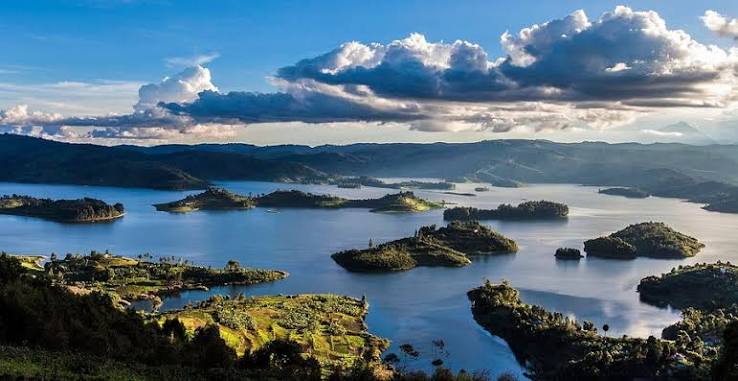
- Research lesser-known alternatives to famous destinations: for every overcrowded must-see, there is a less-visited equivalent that offers the same quality of experience with a fraction of the crowd. Kidepo over the Masai Mara. Mgahinga over Bwindi in peak season. Lake Bunyonyi over more touristed lakeshores. The research required to find these alternatives is minimal. The reward is significant.
Why Uganda Is the Ideal Quiet Travel and Crowd-Free Safari Destination
Uganda is, structurally, a quiet travel destination. Gorilla trekking is limited to eight visitors per habituated family per day. National parks operate at visitor densities far lower than East Africa’s better-known safari circuits. Kidepo Valley National Park receives so few visitors that a single game drive can produce lion, cheetah, and elephant sightings without another vehicle in sight.
Uganda slow travel is not a niche option within a mainstream destination, it is the mainstream Uganda safari experience. The parks are quieter. The lodges are more intimate. Wildlife encounters are more likely to be private. And the warmth of a country with 56 ethnic traditions and an unaffected hospitality makes the cultural layer as rich as the wildlife layer.
Uganda is exactly what quiet travel promises to be: extraordinary, unhurried, and genuinely your own.
Plan Your Quiet, Crowd-Free Uganda Safari with The Rift Valley Explorer
We design intentional, slow travel itineraries for East Africa, crowd-free, handcrafted and built around the experiences that actually change you. Tell us your dates and travel values and we’ll do the rest.
Less crowd. More Africa. That is the quiet travel promise.


Leave a Reply